Hibiscus tea is more than just a pretty red drink. Made from the dried petals of the hibiscus flower, this tart and tangy herbal tea is loved around the world for its bold flavor and impressive health benefits. From helping manage blood pressure to supporting women’s wellness, hibiscus tea offers a refreshing way to care for your body. It’s caffeine-free, easy to make, and increasingly available in stores like Woolworths and Dischem. Whether you drink it hot or iced, this vibrant tea deserves a spot in your kitchen. Let’s explore what makes hibiscus tea a smart and tasty choice.
In this Article
Quick Takeaways: What You Need To Know
- Hibiscus tea is a tart, caffeine-free herbal drink made from hibiscus flower petals.
- It may lower blood pressure, support women’s health, and aid digestion.
- While packed with antioxidants, it also has risks, especially for pregnant women and those on medication.
- Culturally rich, hibiscus tea is popular in Mexico, Africa, and beyond.
- You can find it at stores like Woolworths, Dischem, and online health shops.
What Is Hibiscus Tea & Where It Comes From
What Exactly Is Hibiscus Tea?
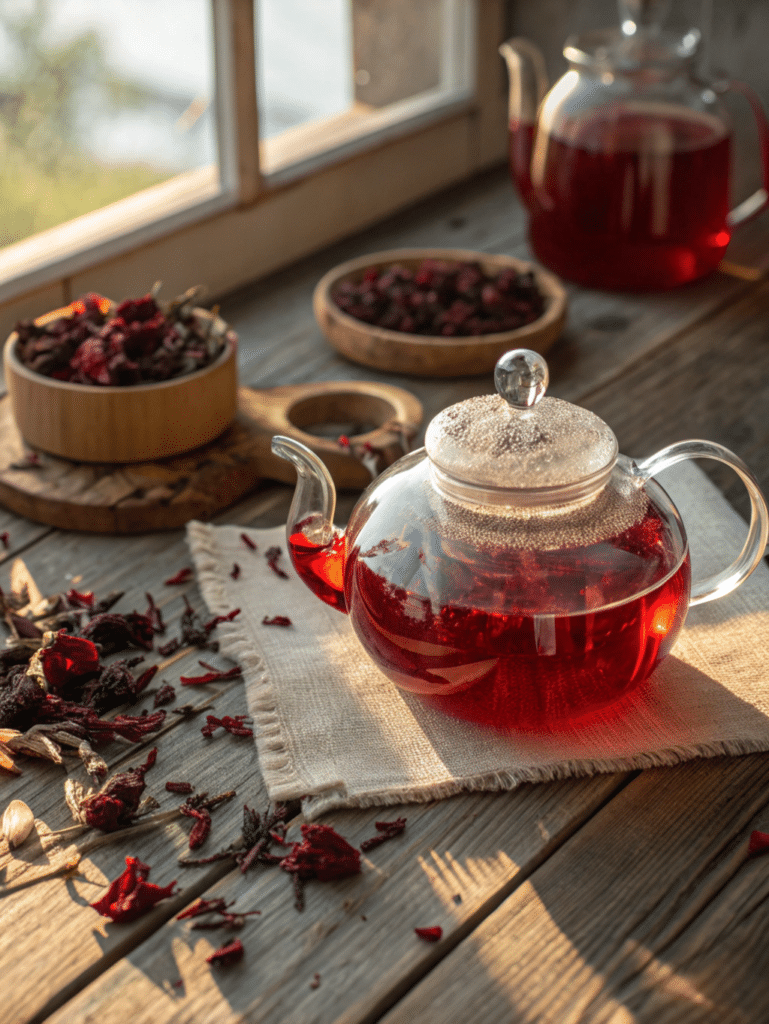
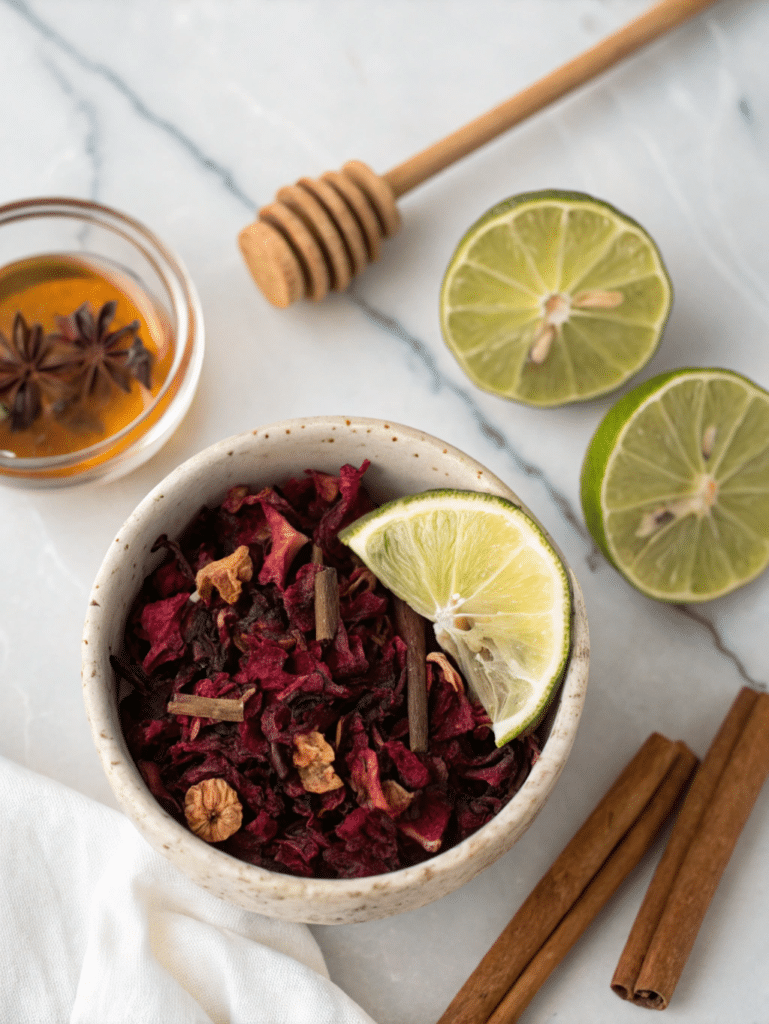
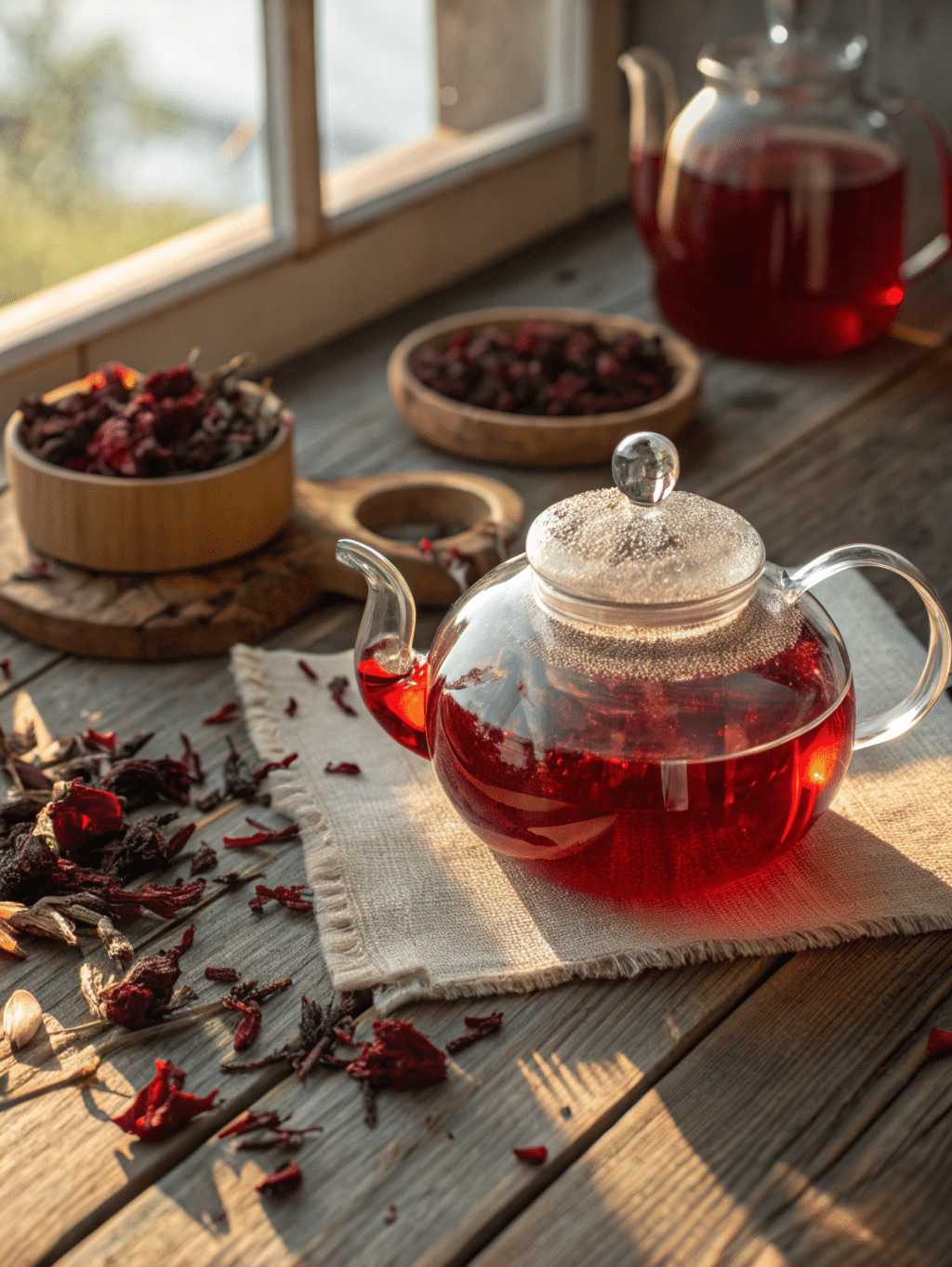
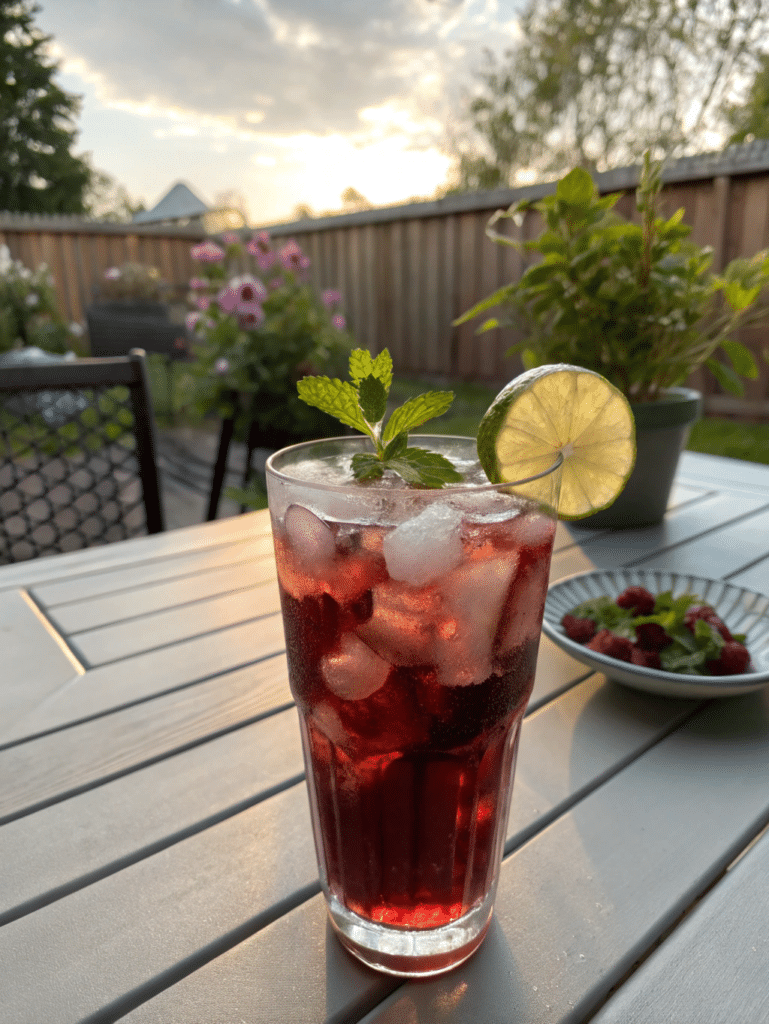
Hibiscus tea is a caffeine-free herbal tea made by steeping dried petals of the Hibiscus sabdariffa flower in hot water. This process releases a bold ruby-red color and a tart, cranberry-like flavor. It is commonly served hot or cold and can be sweetened or mixed with lime or mint.
Often mistaken as a flavored tea blend, hibiscus tea is a single-ingredient herbal infusion with a strong nutritional profile. It contains anthocyanins, vitamin C, polyphenols, and other antioxidants known for supporting heart and immune health.
This tea is often included in wellness routines and functional beverages, alongside other popular herbal options like green tea and butterfly pea flower tea.
Cultural Roots and Global Popularity
Hibiscus tea is enjoyed around the world and goes by several names:
- Agua de Jamaica (Mexico and Latin America)
- Karkadeh (Egypt and Middle East)
- Zobo (Nigeria and West Africa)
In these regions, hibiscus tea is more than a drink, it is part of traditional medicine and daily culture. In Mexico, for instance, it is a common beverage served during meals or celebrations due to its refreshing taste and supposed cooling properties.
Hibiscus tea is now widely available at health stores, international markets, and major retailers like Woolworths and Dischem, either in tea bags, loose leaf, or bottled varieties.
Its growing popularity is driven by increasing awareness of hibiscus tea benefits, particularly its ability to support blood pressure, reduce inflammation, and assist in weight management.
In the next section, we’ll dive deeper into the science-backed health benefits of hibiscus tea, especially for women’s health and cardiovascular support.
Hibiscus Tea Benefits – What Science Says About This Herbal Powerhouse
Proven Hibiscus Tea Benefits Backed by Research
Hibiscus tea is much more than a flavorful herbal drink, it delivers a range of scientifically supported benefits that make it a popular choice in natural health circles. Whether you enjoy it hot or iced, this bright red herbal tea can become a powerful addition to your daily routine.
Here are the top hibiscus tea benefits that are supported by clinical studies:
- Supports Blood Pressure Management
Several studies show that drinking hibiscus tea may help lower both systolic and diastolic blood pressure. The natural compounds in hibiscus petals, particularly anthocyanins and polyphenols, help relax blood vessels and improve circulation. For those with mild hypertension, hibiscus tea benefits can be similar to low-dose medications, without the side effects. - Rich in Antioxidants
Hibiscus tea is loaded with antioxidants that help fight free radicals in the body. These antioxidants are essential in reducing oxidative stress, which is linked to chronic diseases like cancer, diabetes, and heart disease. - Promotes Liver Health
Preliminary research suggests hibiscus tea may support liver function by reducing liver enzyme levels and preventing fat accumulation. This makes it a potential companion to detox or Mediterranean-style eating. For example, combining hibiscus tea with this Mediterranean diet plan can support long-term metabolic health. - Aids in Weight Management
Drinking hibiscus tea regularly may support healthy weight by reducing body fat, appetite, and bloating. It’s naturally calorie-free and mildly diuretic, making it a smart alternative to sugary drinks.
Hibiscus Tea Benefits for Women
Hibiscus tea offers specific advantages for women’s health, especially in hormonal balance, heart health, and cycle-related bloating.
- Hormonal Support: The phytoestrogens found in hibiscus flowers may help balance estrogen levels, offering mild support during PMS or perimenopause. While not a replacement for hormone therapy, hibiscus tea is often included in herbal wellness routines targeting hormonal symptoms.
- Menstrual Relief: Thanks to its anti-inflammatory properties, hibiscus tea may reduce cramps and water retention. Many women report fewer PMS symptoms after adding hibiscus tea to their diet.
- Skin and Hair Health: The high vitamin C content in hibiscus tea supports collagen production, which can contribute to skin elasticity and healthy hair growth.
Looking for other naturally supportive drinks? Our guide to chia seed benefits offers another easy addition to your daily hydration routine.
Hibiscus Tea Pros and Cons at a Glance
| Pros | Cons |
|---|---|
| Lowers blood pressure naturally | May cause low blood pressure if overconsumed |
| Supports liver, heart, and weight health | Not recommended for pregnant or breastfeeding women |
| Caffeine-free and suitable for evening use | May interact with medications like diuretics or blood pressure drugs |
| Naturally rich in antioxidants | Sour taste may need adjusting with sweeteners |
Hibiscus tea clearly brings several health advantages, but it’s important to understand the hibiscus tea dangers, especially if you’re pregnant, have low blood pressure, or take certain medications.
Side Effects and Who Should Be Cautious
Understanding the Potential Risks
Although this tart herbal infusion is widely considered safe for most people, there are a few important side effects and precautions to consider before adding it to your daily routine.
1. May Lower Blood Pressure Too Much
One of the most researched effects of this tea is its ability to reduce high blood pressure. However, for individuals who already have low blood pressure or take antihypertensive medication, this benefit could become a risk. It may intensify the action of blood pressure-lowering drugs, leading to dizziness, fatigue, or even fainting in some cases.
2. Pregnancy and Fertility Concerns
Experts generally recommend avoiding this floral drink during pregnancy and breastfeeding. Some animal studies have suggested it may influence estrogen levels, which can potentially affect hormone balance. Though more human studies are needed, it’s best to stay cautious. Those undergoing fertility treatments should also speak with a healthcare provider before using it regularly.
3. Medication Interactions
The bioactive compounds in this tea may interact with medications such as:
- Diuretics
- Antihypertensive drugs
- Antidiabetic medications
- Birth control pills
For anyone on prescription medications, it’s important to consult a physician before incorporating this tea into a health regimen. It may also impact how the liver metabolizes certain drugs.
How Much Is Safe to Drink?
Moderation is key. Research suggests that consuming up to 2–3 cups per day is generally safe for healthy adults. It’s best to start with one cup per day to observe how your body responds before increasing your intake.
Also, keep in mind that consuming large amounts of acidic beverages can impact tooth enamel over time. Rinsing your mouth with water after drinking, or using a straw when served cold, can help reduce any dental effects.
If you’re combining herbal drinks, consider alternating with others like chia water or a Mediterranean-style tea for variety and nutritional balance.
Hibiscus Tea
Ingredients
Equipment
Method
- Boil 2 cups of water in a small saucepan.
- Add 2 tablespoons of dried hibiscus petals.
- Reduce heat and simmer for 5–7 minutes.
- Turn off heat and let steep for 1 minute.
- Strain the liquid into a mug or pitcher.
- Add honey and a slice of lime if desired.
- Serve hot or refrigerate to enjoy iced.
Nutrition
Notes
Tried this recipe?
Let us know how it was!Cultural Traditions & Global Uses of Hibiscus Tea
Why Do Mexicans Drink Hibiscus Tea?
One of the most well-known cultural uses of this floral infusion is in Mexico, where it’s known as Agua de Jamaica. It’s often served cold, sweetened with sugar, and enjoyed during family meals or street food outings. The popularity isn’t just about taste, Mexicans have long embraced hibiscus tea benefits for digestion, hydration, and cooling the body in hot weather.
In traditional Mexican cuisine, this tea is also used as a natural remedy for inflammation and blood pressure, aligning with its scientifically studied effects.
Hibiscus Around the World
Globally, hibiscus is used in wellness rituals and daily life in many countries:
- Egypt: Known as Karkade, it’s served during celebrations and believed to support heart health.
- Nigeria: Called Zobo, it’s a staple in homes and gatherings, often brewed with ginger or cloves.
- Sudan & Iran: Enjoyed for its vibrant color and association with cooling the body in hot climates.
These traditions highlight how widespread hibiscus tea benefits are recognized, especially its role in natural medicine, women’s wellness, and immune support.
People around the world continue to use this tea not only for its refreshing taste but also for its role in supporting hormonal balance, skin health, and menstrual comfort, which are often noted as key hibiscus tea benefits for women.
Cultural Beliefs vs. Modern Research
Traditional wisdom often overlaps with scientific research. Across cultures, the drink has been used to:
- Detox the liver (now supported by studies)
- Aid weight loss (linked to mild diuretic effects)
- Balance hormones (a core benefit often tied to hibiscus tea benefits for women)
At the same time, traditional uses have also hinted at hibiscus tea dangers, such as its use in fertility suppression, which aligns with today’s medical caution for pregnant or nursing women.
Blending Tradition With Health
Adding hibiscus to your daily life can be a flavorful and healthy choice, but only when you understand the hibiscus tea pros and cons. These vary depending on your health status, lifestyle, and how much you consume. The balance between cultural tradition and scientific backing makes this herbal tea a fascinating and functional beverage.
For a full-body wellness routine, pair it with other traditional wellness recipes or try our Mediterranean diet recipes to round out your approach.
Frequently Asked Questions (FAQs)
What are the benefits of drinking hibiscus tea?
This floral herbal infusion is praised for its ability to support heart health, reduce blood pressure, and provide antioxidant protection. Among the most notable benefits are improved circulation, liver function, and mild digestive support. Many people also use it as a natural, caffeine-free alternative for hydration.
Why do Mexicans drink hibiscus tea?
In Mexican culture, the drink known as Agua de Jamaica is enjoyed for its refreshing tartness and cooling effect. It’s also valued for its traditional use in aiding digestion and easing inflammation. This beverage holds both culinary and cultural importance across Latin America.
Is it safe to drink this tea every day?
For most healthy adults, moderate daily consumption, about 1 to 3 cups, is considered safe and even beneficial. However, one should be mindful of hibiscus tea dangers, especially if taking blood pressure medications, diuretics, or managing low blood pressure. Consulting a healthcare provider is advised if you’re on medication or have health concerns.
What should I avoid when drinking it?
Avoid pairing this herbal drink with medications that affect blood pressure or blood sugar unless guided by a doctor. Overconsumption may lead to fatigue or dizziness in sensitive individuals. Pregnant or breastfeeding women should avoid it entirely due to potential hormonal effects, a point often highlighted when discussing the pros and cons.
What is hibiscus tea?
It’s an herbal beverage made by steeping dried petals of the Hibiscus sabdariffa plant. Known for its bold red color and tart, cranberry-like flavor, it’s caffeine-free and widely consumed around the world. Common in wellness circles, this tea is often used for its antioxidant properties and mild diuretic effects.
Conclusion: Balance the Benefits and Know the Limits
Whether you’re seeking a caffeine-free drink with antioxidant support or exploring herbal options for hormonal balance, this deep-red herbal infusion offers plenty of wellness perks. The most talked-about benefits for women, from menstrual relief to improved skin elasticity, highlight how it fits into daily routines.
Still, it’s important to stay mindful of the dangers, especially when taking medications or managing blood pressure. Like any natural remedy, there are always pros and cons, and understanding how it interacts with your lifestyle is key to using it safely.
Adding this floral tea to your wellness plan can be a smart move, especially when paired with nutritious choices like the Mediterranean diet or a balanced hydration strategy. As always, moderation and knowledge are the best companions to any health decision.
For more insights on herbal safety and interactions, you can refer to NIH’s guide on dietary supplements or review the Wikipedia entry on Roselle for botanical and cultural background.