
Rose hips tea benefits go far beyond its bright color and tart flavor. Known for its high vitamin C content and antioxidant profile, this herbal infusion is becoming a popular wellness drink. Whether you’re looking to support immunity, reduce inflammation, or simply enjoy a caffeine-free tea, rosehip offers a natural and effective option. In this article, you’ll discover how this underrated herbal tea supports your body inside and out, plus what to avoid and how to use it daily for maximum results. Let’s dive into the science, safety, and everyday uses of this floral powerhouse.
In this Article
What Are Rose Hips and Why Are They Used in Tea?
Rose hips tea benefits start with the fruit itself. Rose hips are the red or orange seed-filled pods that form just below the flower of the wild rose plant. Often overlooked in the garden, these small fruits are packed with nutrients and antioxidants, making them a popular ingredient in teas, supplements, and skincare.
When steeped, dried rose hips release a mildly tart, cranberry-like flavor. This herbal infusion is naturally caffeine-free and rich in plant compounds that support immune function, joint health, and skin repair. Its high vitamin C levels make it especially effective during cold and flu season, much like hibiscus tea, which is similarly known for boosting natural defenses.
Many people also seek out rosehip-based products like rosehip seed oil, which is used topically to reduce scars and wrinkles. The internal and external benefits of rosehip make it a holistic option in natural wellness routines.
Why Rose Hips Are Known for Vitamin C
Among the most notable rose hips tea benefits is its high vitamin C content. In fact, rose hips contain more of this nutrient than most citrus fruits. This antioxidant helps protect cells, supports collagen production, and strengthens the immune system, reasons why many immunity supplements feature vitamin C with rose hips.
These healthful compounds also include flavonoids, polyphenols, and essential fatty acids, many of the same nutrients found in butterfly pea flower tea, another herbal remedy praised for its antioxidant effects.
Up next, we’ll take a deeper look at the proven health effects, and how this tea may support digestion, heart health, inflammation, and more.
Rose Hips Tea Benefits Backed by Science
Immunity, Inflammation, and Antioxidant Support
When it comes to natural immune boosters, rose hips tea benefits stand out. Thanks to an extraordinary concentration of vitamin C, this tea supports immune health by increasing white blood cell production and enhancing antioxidant activity. In fact, rose hips contain 10–20 times more vitamin C than oranges, making them a top choice during flu season.
The antioxidants found in rose hips tea, including flavonoids, carotenoids, and polyphenols, help protect your cells from oxidative stress, which contributes to aging and chronic disease. These plant compounds also help lower inflammation levels, making rose hips tea a smart addition to anti-inflammatory diets, similar to chia seed hydration strategies.
Scientific studies suggest that consistent intake of this tea may lead to lower C-reactive protein (CRP) levels, a key inflammation marker in the body. That’s one of the reasons why herbalists and nutritionists highlight rose hips tea benefits for daily wellness.
Joint Health, Gut Support, and Heart Protection
Another area where rose hips tea benefits shine is joint health. Studies on powdered rose hips extract show significant improvement in mobility and pain relief for people with osteoarthritis. The anti-inflammatory properties in the tea are milder but still offer supportive effects for those managing joint stiffness or chronic pain.
Digestively, the mild diuretic and laxative effect of rose hips tea helps regulate the gut and reduce bloating, especially beneficial after heavy meals or as part of a Mediterranean diet plan.
Emerging evidence also shows cardiovascular support. Drinking rose hips tea may help regulate cholesterol levels and support healthy blood pressure. The antioxidants and vitamin C work together to protect blood vessels from damage and inflammation.
If you’re comparing options, rose hips tea benefits are similar to other herbal infusions like green tea, but without the caffeine. That makes it an excellent nighttime tea for those sensitive to stimulants.
In the next section, we’ll explore how rose hips tea benefits for women go beyond general wellness, supporting hormones, beauty, and more.
Rose Hips Tea Benefits for Women
Hormonal Balance and Reproductive Support
Among all herbal infusions, rose hips tea benefits stand out for women’s health. The tea’s high content of antioxidants and naturally occurring flavonoids helps support hormonal balance by reducing oxidative stress, a key contributor to cycle irregularities and hormonal imbalances.
One of the lesser-known rose hips tea benefits is its role in supporting uterine health and easing premenstrual discomfort. While not a cure-all, regular consumption of rose hips tea may gently support reproductive wellness and energy levels during menstruation due to its rich vitamin C and trace mineral content.
These benefits echo those of vitamin C with rose hips, commonly used in supplements aimed at women’s immunity and reproductive support.
Skin, Hair & Anti-Aging Benefits from Within
If you’re already using rosehip oil for skin health, adding rose hips tea to your routine doubles the benefit, working from both inside and out. Rose hips tea benefits for skin include increased collagen production, hydration, and protection from free radical damage that accelerates aging.
The vitamin C content in the tea helps your body create more collagen naturally, leading to firmer skin and reduced appearance of fine lines. Regular intake of rose hips tea may also improve elasticity and reduce breakouts caused by inflammation.
Additionally, the carotenoids and antioxidants in rose hips tea help strengthen hair and nails while promoting scalp health. This makes it an ideal drink for those seeking natural beauty from within.
Incorporating rose hips tea benefits into a full wellness routine is easy, simply pair it with daily hydration, a whole-food diet, and antioxidant-rich recipes like the blue salt trick or honey-based tonics.
Up next, we’ll cover how to brew rose hips tea, how much to drink, and how to enjoy it hot or iced for maximum health impact.
How to Make and Use Rose Hips Tea
Hot or Cold? How to Brew It Right
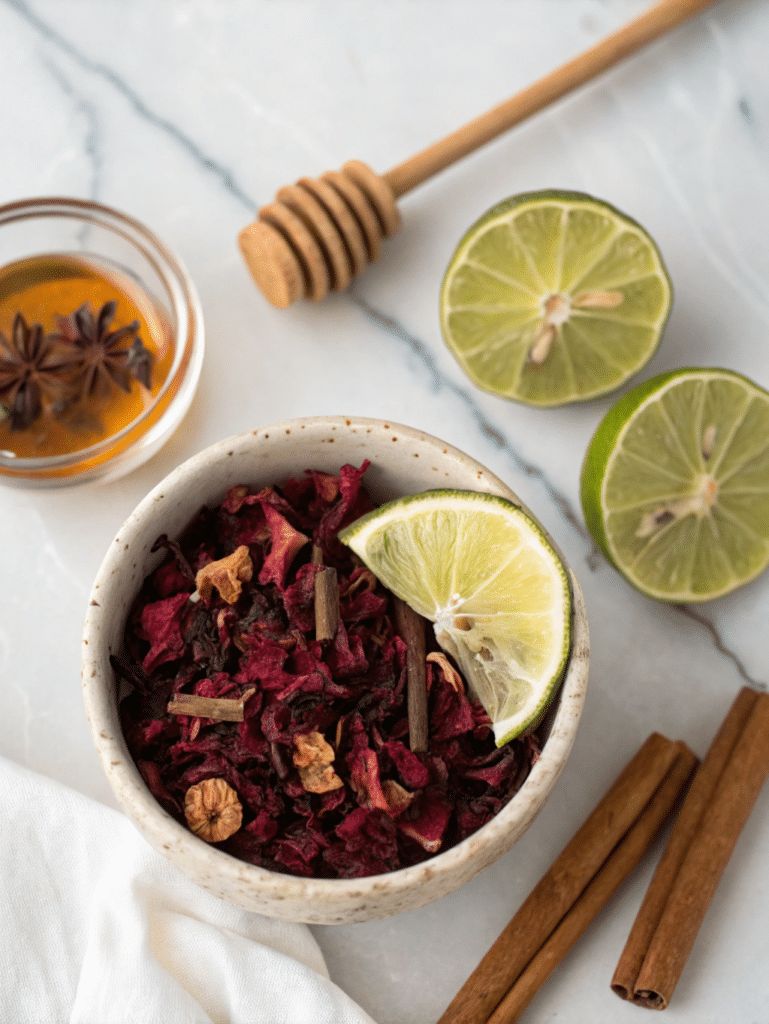
To unlock the full rose hips tea benefits, it’s important to brew it correctly. The steeping process draws out vitamin C, antioxidants, and flavonoids, giving you the most wellness from each cup. Use 1–2 teaspoons of dried rose hips per 1 cup of boiling water. Steep for 10–15 minutes, covered, to prevent the evaporation of essential compounds.
The tea can be enjoyed hot or cold. For a summer refresh, brew a large batch, let it cool, and serve over ice with a slice of lemon. Unlike some teas, rose hips tea maintains its bright flavor when chilled, making it a great option for iced herbal blends.
To increase rose hips tea benefits, some people combine it with other herbs like hibiscus, mint, or chia seeds, enhancing both taste and nutritional value.
Daily Routine or Occasional Sip?
A common question is: Can I drink rosehip tea every day? For most healthy adults, the answer is yes. Drinking 1–3 cups daily is a safe and effective way to support immunity, skin health, and inflammation control. The key is consistency.
To maximize rose hips tea benefits, include it in your wellness routine alongside antioxidant-rich recipes like the Mediterranean diet or daily hydration rituals. You can also rotate it with other herbal teas like green tea for variety and balance.
Always use dried, organic rose hips from a reputable source, and store them in an airtight container to preserve potency.
In the next section, we’ll explore what rose hips tea tastes like, how to buy quality blends, and how to store it for freshness and maximum effect.
Taste, Storage & Buying Tips
What Does Rose Hips Tea Taste Like?
The flavor of rose hips tea is pleasantly tart, similar to cranberry or sour apple, with a hint of floral undertone. It has a clean, crisp finish that makes it perfect to enjoy plain or sweetened. If you prefer something more robust, add a drizzle of honey or a cinnamon stick to mellow out the tang.
One of the subtle but surprising rose hips tea benefits is how well it pairs with other wellness herbs. Try blending it with hibiscus for added antioxidants or butterfly pea flower for a colorful twist and added brain-boosting properties.
Because of its flavor flexibility, this tea works equally well as a hot bedtime drink or a refreshing iced tea during summer.
Buying Guide & Storage Tips
When buying rose hips tea, look for organic, dried rosehips either loose or in tea bags. Always check that the product hasn’t been overly processed, as heat-drying at high temps can degrade the tea’s natural vitamin C content. That’s essential, as vitamin C with rose hips is one of the biggest advantages of this herbal infusion.
If you’re using rosehip oil or rosehip seed oil for skincare, it’s important to note that while related botanically, those are topical uses, whereas rose hips tea benefits come from ingestion.
For best storage, keep your dried rose hips in a cool, dark place in a sealed container. This preserves their antioxidant content and freshness for up to one year.
For more about rosehip’s botanical background, see Wikipedia’s entry on Rose Hip. To explore its nutritional value, refer to the NIH’s official Vitamin C guide, which discusses vitamin C with rose hips as a natural supplement form.
Up next, we’ll discuss possible rose hips tea dangers, side effects, and safety, especially if you’re pregnant or on medication.
Rose Hips Tea Dangers and Side Effects
Is It Safe During Pregnancy or With Medications?
While rose hips tea benefits are impressive, it’s important to recognize situations where caution is needed. For pregnant or breastfeeding individuals, it’s generally advised to avoid rosehip tea unless cleared by a healthcare provider. The herb’s natural compounds may mildly stimulate uterine activity or interact with hormones, which is why it’s often excluded from pregnancy-safe herbal lists.
If you’re taking medications for blood pressure, blood thinners, or diabetes, speak to your doctor before adding this tea to your routine. Some of the active plant compounds in rose hips may enhance or interfere with pharmaceutical effects, especially when consumed daily.
For more on herb-drug interactions, the NIH’s supplement guide offers evidence-based information on safe usage across various herbal remedies.
Allergies, Stomach Upset & Overuse
Although rare, some people may experience allergic reactions to rosehips. Watch for signs like itchy skin, nasal congestion, or digestive discomfort. These side effects are typically mild but worth noting, especially for those with known sensitivities to berries or florals.
Drinking too much can also reduce rose hips tea benefits and lead to side effects like nausea, cramping, or diarrhea, often due to its mild diuretic and laxative effects. Limit your intake to 1–3 cups daily to stay within a safe range.
It’s also worth mentioning that if you’re using rosehip oil topically, there’s no overlap with internal use, but allergies could still be a concern if you’re sensitive to the plant overall.
In rare cases, overconsumption may impact iron absorption. That’s why experts often suggest cycling your intake of vitamin-rich herbal teas and including a balanced diet, like the Mediterranean-style approach, to support overall health.
As with any herbal product, understanding both the advantages and the risks gives you the power to use it wisely. The final section will answer the most frequently asked questions and summarize the pros and cons of rose hips tea benefits in a clear chart.

FAQs: Quick Answers to Common Questions
Is rose hip tea good for you?
Yes, it’s rich in antioxidants and vitamin C, which support immunity, skin health, and inflammation control. These are core rose hips tea benefits backed by science.
What is rose hip tea?
It’s an herbal tea made from the fruit (hips) of the wild rose plant. When steeped, it releases a tart, fruity flavor and powerful plant compounds.
What are the health benefits of drinking rosehip tea?
They include immune support, collagen production, joint relief, heart health, and digestive regulation.
What is rosehip tea good for?
It’s especially helpful during cold season, for aging skin, and for gentle detox. It may also help reduce arthritis symptoms and bloating.
Does rosehip tea have caffeine?
No, it’s naturally caffeine-free, making it a good alternative to green or black tea.
Can I drink rosehip tea every day?
Yes, up to 2–3 cups daily is generally safe for most people. Just avoid overuse and monitor for side effects.
Is rosehip tea safe during pregnancy?
Not always. Pregnant individuals should consult a healthcare provider before drinking it due to possible uterine effects.
Does rosehip tea help with weight loss?
Indirectly, yes. Its antioxidants and mild diuretic properties can support weight regulation when combined with diet and hydration.
Can rosehip tea cause allergies?
Rarely, but yes. Mild allergic reactions like rashes or nasal symptoms are possible in sensitive individuals.
Does rosehip tea affect medications?
It can. People on blood pressure meds, blood thinners, or diabetes medications should check with a doctor first.
How does rosehip tea taste?
Tart, tangy, and slightly floral, similar to cranberry with a hint of rose.
Can rosehip tea be consumed cold?
Yes. It’s great iced and retains both flavor and nutrients when chilled.
How long should I steep rosehip tea?
Steep for 10–15 minutes to maximize rose hips tea benefits and extract antioxidants.
Pros and Cons of Rose Hips Tea Benefits
Here’s a quick overview to help you decide if it fits your lifestyle:
| Pros | Cons |
|---|---|
| Rich in vitamin C and antioxidants | May interact with medications |
| Supports immune, joint, and skin health | Not always safe during pregnancy |
| Caffeine-free and easy to prepare | Rare risk of allergies or stomach upset |
| Versatile, can be served hot or cold | Overuse may reduce iron absorption |
Conclusion: Unlock the Full Power of Rose Hips Tea Benefits
When it comes to herbal wellness, rose hips tea benefits deliver a unique combination of flavor, function, and flexibility. With its naturally high levels of vitamin C, antioxidants, and polyphenols, this tea supports your immune system, promotes glowing skin, aids digestion, and even soothes joint discomfort.
Unlike caffeine-based beverages, rose hips tea is gentle enough for daily use, yet powerful enough to make a difference, especially when paired with balanced nutrition and hydration. Whether you’re sipping it hot in winter or cold on a summer afternoon, this floral infusion is more than just tea, it’s a smart, supportive wellness choice.
Just like rosehip oil works wonders on the outside, this tea works from within. So if you’re building a better routine this year, starting with a few cups of rose hips tea might be your simplest, smartest upgrade yet.
For maximum results, stick to organic sources, avoid overuse, and always consult a healthcare provider if you’re managing health conditions or taking medication.
Want more ways to incorporate natural wellness into your daily life? Try sipping on chia seed water or adding antioxidant-packed green tea into your afternoon ritual for added balance.