Hi, I’m Olivia – welcome to WeTasteRecipes! The first time I made this Prime Rib Roast Recipe , I was nervous, it felt fancy and intimidating. But after trying it once, I realized it’s just about using good ingredients and the right method. Now it’s my go-to for holidays and special dinners. This recipe gives you a juicy, tender center with a flavorful crust every time. Whether you’re new to prime rib or perfecting your technique, I’ll guide you step-by-step. Let’s take the stress out of it and make a showstopping roast your guests will love!
In this Article
Key Takeaways: What You Need to Know
- Prime rib roast is best cooked with a high-heat start (500°F) followed by a lower roasting temperature to lock in juices.
- A dry brine overnight and garlic-herb crust bring out rich, savory flavor.
- Use a meat thermometer and follow a temperature chart for doneness, rare, medium-rare, or medium.
- Let the roast rest for 20–30 minutes before slicing to keep it juicy.
- Leftovers reheat beautifully and make excellent sandwiches, tacos, or stews.
- One pound per person is ideal for bone-in; slightly less for boneless.
- Reverse sear gives a perfect crust without overcooking the center.
Prime Rib Roast Basics
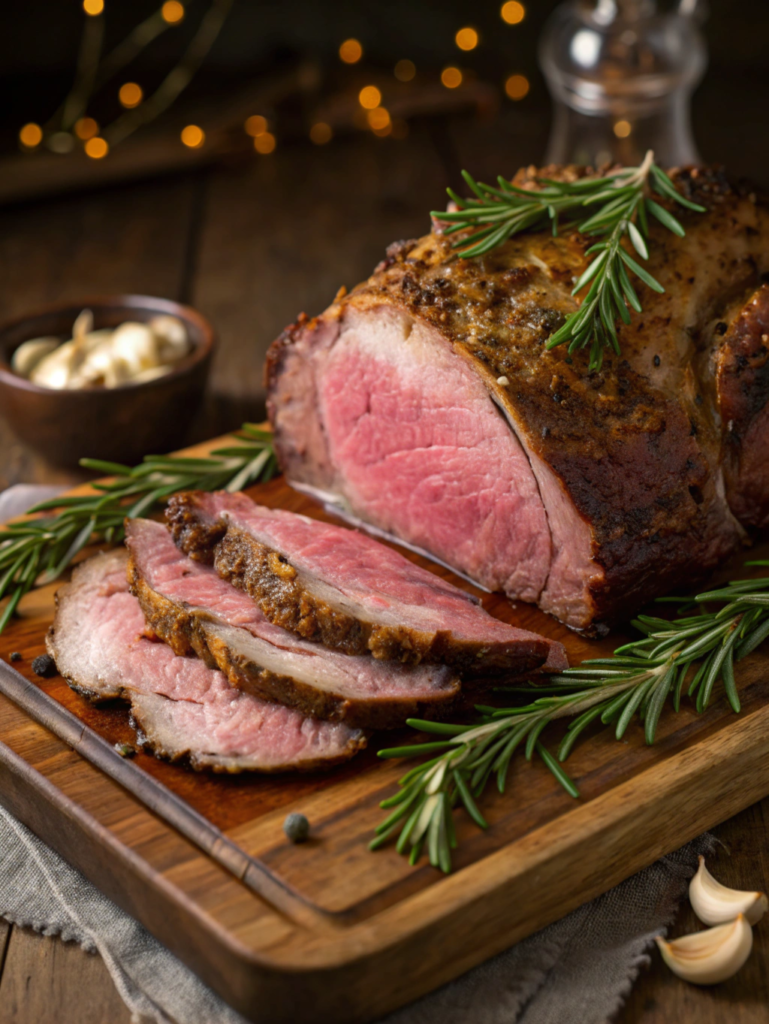
If you’ve ever searched for the best way to cook prime rib roast in oven, it all starts with understanding the cut. A prime rib roast, often called a standing rib roast, comes from the primal rib section of the cow and is known for its rich marbling and melt-in-your-mouth tenderness. When cooked properly, the result is a roast with a deep brown crust and a rosy, juicy center that feels like pure indulgence.
You’ll find both bone-in and boneless options in stores. Bone-in prime rib adds flavor and presentation value, while boneless is quicker to cook and easier to slice. If it’s your first time, boneless might feel more manageable, but bone-in is worth it for special occasions.
How Much Prime Rib Per Person?
Plan for about 1 pound per person if you’re using a bone-in roast, or about ¾ pound per person for boneless. So if you’re cooking a 6-pound prime rib roast in the oven, it will feed roughly 6 to 8 people. This rule makes it easier to plan whether you’re preparing a cozy dinner or a festive holiday feast.
If you’re already meal-planning, pairing this with a few sides from our Mediterranean diet meal plan or beef stew recipe brings variety and balance to the table.
No matter the size, the key to perfect prime rib is cooking it to the right internal temperature. That’s why using a reliable prime rib roast temperature chart is essential, and we’ve got that coming up soon. But before we get there, let’s talk about seasoning and preparation.
Seasoning & Prep Techniques for Prime Rib Roast Recipe
The secret to an unforgettable prime rib roast recipe oven style isn’t just in the cooking, it starts well before the meat ever hits the heat. Proper seasoning, prepping, and timing are what separate a dry roast from a juicy, flavorful showstopper.
How to Season Prime Rib Before Cooking
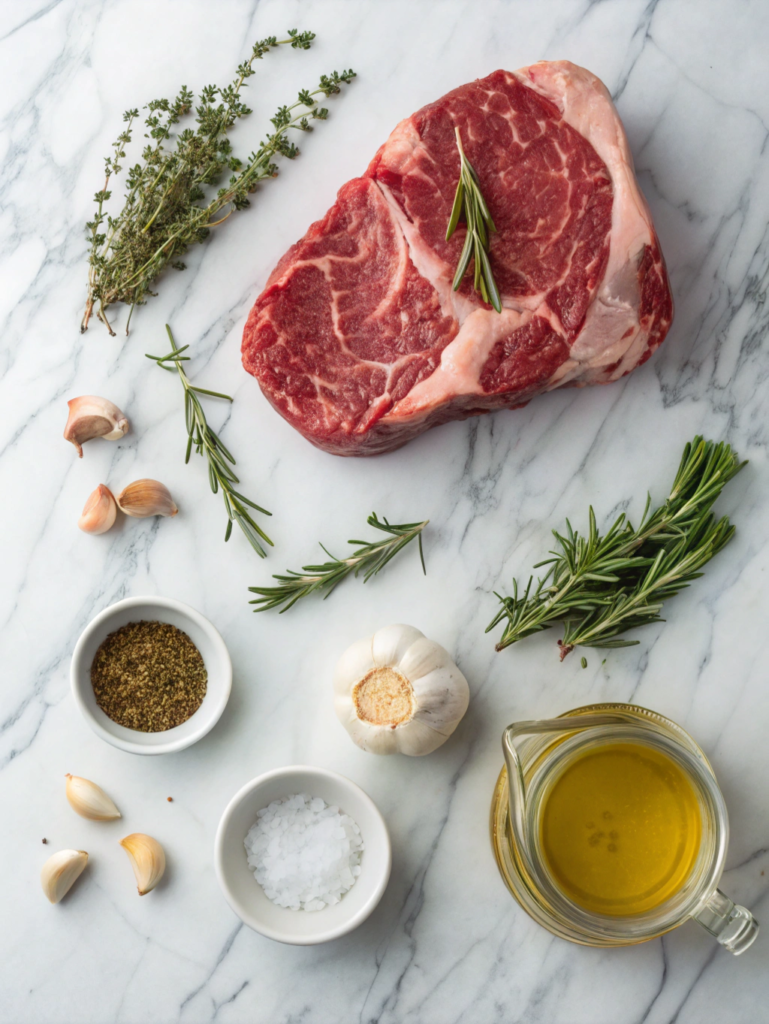
Seasoning starts at least one day before roasting. The classic method involves a dry brine, generously rubbing kosher salt all over the roast and refrigerating it uncovered overnight. This draws moisture to the surface, allowing it to absorb back in and tenderize the meat from the inside out.
The next step is creating a crust with a garlic herb rub. Combine softened butter or olive oil with minced garlic, rosemary, thyme, and black pepper. Some cooks also use Dijon mustard as a binder, helping the herbs stick and adding a subtle tang. Apply the mix generously over the roast before it goes into the oven.
To elevate flavor even more, pair it with herbs from the Mediterranean diet food list, like oregano or basil, for a fresh twist.
Why Room Temperature Matters
Before you cook, always bring your roast to room temperature for at least 2 hours. This helps it cook evenly from edge to center. Starting cold leads to uneven doneness, a common mistake even seasoned home cooks make.
If you’re prepping ahead, take the time to review your sides. Something hearty like frozen meatballs in a crock pot can complement the roast while freeing up oven space.
Remember: the way you season and prepare your roast is just as important as how you cook it. Up next, we’ll break down exactly how to cook a prime rib roast in the oven, using the 500-degree method and a temperature guide for perfect results.
How to Cook a Prime Rib Roast in the Oven
Mastering how to cook a prime rib roast in the oven is easier than it looks, especially when you follow a time-tested, high-heat method. This section walks you through the best way to cook prime rib roast in oven using step-by-step instructions that deliver a perfect crust, a juicy pink center, and flavor in every bite.
Best Way to Cook Prime Rib Roast in Oven
For this prime rib roast recipe, start with the proven 500-degree method. Preheat your oven to 500°F. Calculate your cooking time using 5 minutes per pound at this high heat. Once that time is up, turn the oven off completely, but don’t open the door. Let the roast sit undisturbed in the oven for 2 hours. This uses residual heat to bring the roast to the perfect internal temperature.
This method works beautifully because the outside of the prime rib roast forms a crust quickly, while the inside slowly cooks to your desired doneness. It’s crucial not to open the oven door during the resting phase, or heat will escape and affect the final result.
If you’re planning a full dinner, pair your roast with flavorful sides from our Mediterranean diet or add hearty depth with our beef stew recipe.
Prime Rib Roast Temperature Chart Explained
No prime rib roast recipe is complete without knowing your target temperatures. Use a meat thermometer for accuracy:
| Doneness | Pull from Oven | Final Temp (after resting) |
|---|---|---|
| Rare | 115°F | 120–125°F |
| Medium Rare | 120°F | 130°F |
| Medium | 130°F | 135–140°F |
| Well Done | 140°F+ | 145°F+ |
This prime rib roast temperature chart ensures consistent results, no matter the size or cut. And if you’re experimenting with variations like a smoked prime rib roast recipe, these temps still apply, you’ll just change the cooking method.
Now that you know how to cook a prime rib roast at 500 degrees for excellent results, let’s compare that to the reverse sear method, which is gaining popularity for a different kind of finish.
Reverse Sear vs Traditional Prime Rib Roast Recipe Oven Method
When choosing the best way to cook prime rib roast in oven, two main methods stand out: traditional high-heat roasting and the newer, increasingly popular reverse sear technique. Both deliver outstanding flavor, but each offers different advantages depending on the result you want from your prime rib roast recipe.
What Is the Secret to Making Perfect Prime Rib?
For many home cooks, the traditional approach is the most familiar. This classic prime rib roast recipe oven method starts at 500°F for a quick sear, followed by a lower temperature (around 325°F) to cook the roast slowly and evenly. It gives you a flavorful outer crust and a warm, pink center. It’s simple, effective, and nearly foolproof when paired with a good prime rib roast temperature chart.
But here’s the secret behind the perfect prime rib roast recipe, reverse searing.
With the reverse sear, you first cook the roast low and slow, around 200–225°F, until the internal temperature is just below your target. Then, right before serving, crank the oven up or sear the roast in a cast iron skillet to build that beautiful, flavorful crust. This method gives you edge-to-edge pink perfection, minimizing the “grey band” of overcooked meat.
Both methods deliver delicious results, but the reverse sear excels if your goal is tenderness and precision throughout the roast.
Why Do You Sear the Meat Before Roasting?
Searing is about more than just looks, it’s flavor science. The Maillard reaction creates a crust on the outside of the roast, locking in juices and building complex, savory flavor. That’s why every expert-level prime rib roast recipe includes a searing step, whether at the beginning or end of the cooking process.
If you’re sticking to traditional oven roasting, make sure you give your roast a solid 15–20 minutes at 500°F. This primes the surface for a golden-brown crust while keeping the inside juicy and tender. With the reverse sear, you achieve the same crust, just at the end.
Whichever path you take, your prime rib roast recipe will shine when you respect both temperature and timing. And if you’re pairing this meal with a side salad or lean entrée, consider something from our Mediterranean diet for a balanced plate.
Next, we’ll cover what to do after the roast comes out of the oven, how to rest it, carve it, and store leftovers for maximum freshness.
Serving & Storing Prime Rib the Right Way
After you’ve mastered how to cook a prime rib roast in the oven, the job isn’t quite done. To get the most from your prime rib roast recipe, you need to rest, slice, and store it properly. These final steps ensure your roast stays tender, juicy, and delicious from the first bite to the last leftover.
How to Slice Prime Rib Like a Pro
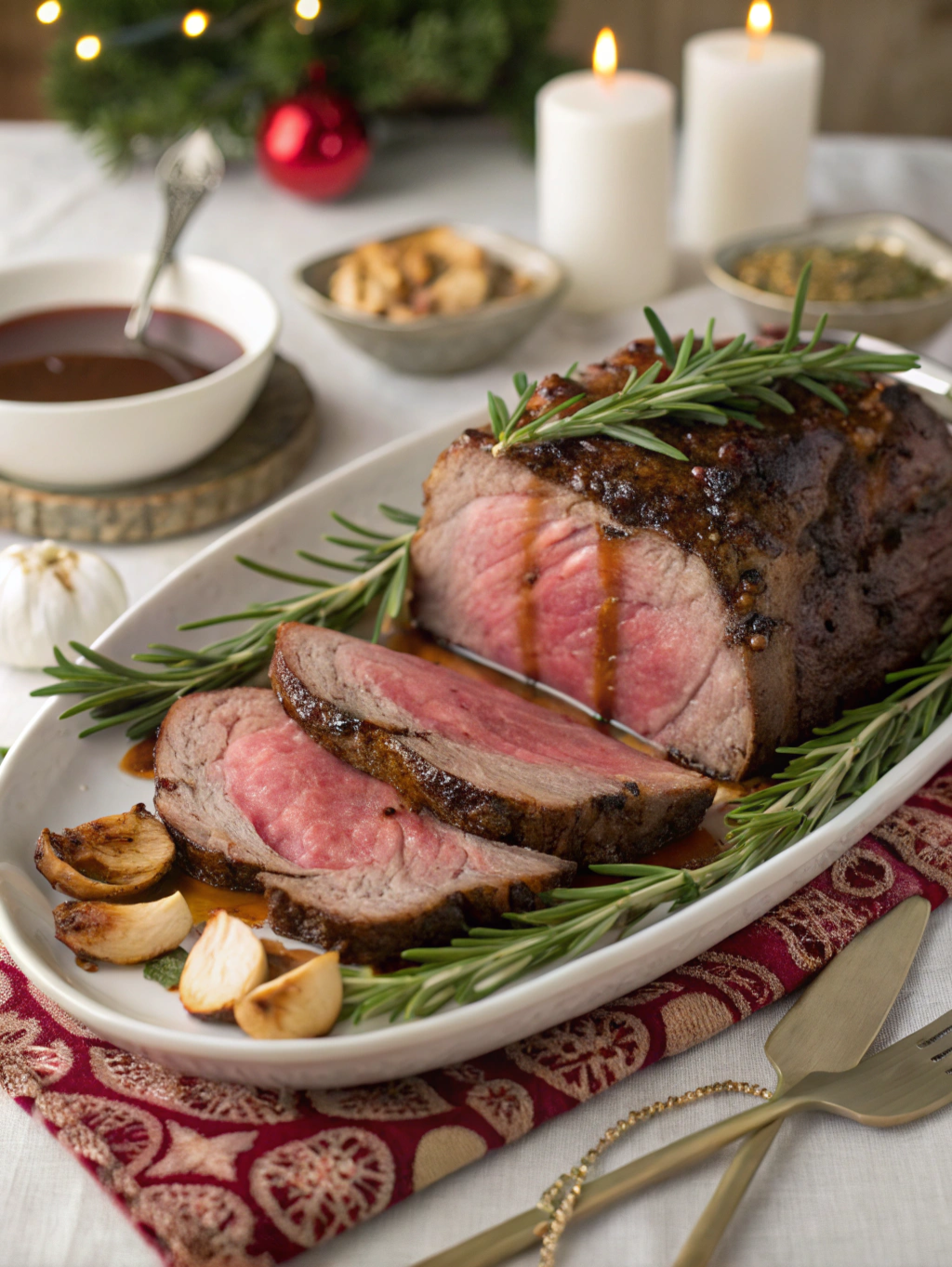
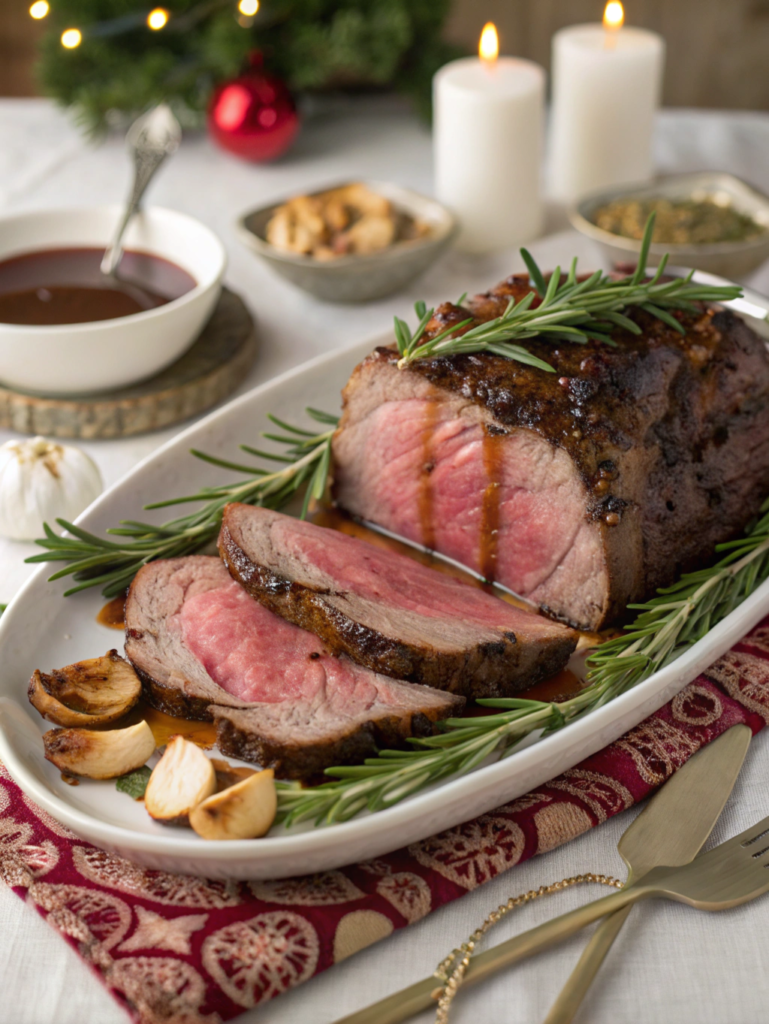
Once your prime rib roast recipe oven process is complete, resting the roast is critical. Remove it from the oven and tent it loosely with foil. Let it rest for 20 to 30 minutes. This allows the juices to redistribute so they don’t spill out when you slice it.
Use a sharp carving knife to cut the prime rib roast against the grain in thick or thin slices, depending on your preference. For bone-in roasts, cut along the bone first, then slice across. Every bite should showcase the beautiful pink interior you achieved by following the best way to cook prime rib roast in oven.
Pro tip: For a clean-cut presentation, use a long slicing knife and serve with au jus or horseradish cream on the side.
Pair your slices with simple, nutrient-dense sides. If you’re planning a well-rounded holiday plate, try recipes from our Mediterranean diet food list or Mediterranean diet meal plan for contrast and balance.
How Long Will Leftover Prime Rib Stay Fresh?
Following USDA guidelines, leftover prime rib roast should be refrigerated within two hours and consumed within 3 to 4 days. For food safety, keep it stored in airtight containers and always reheat to at least 165°F internally. You can read the full guidance on safe meat handling from the USDA.
If you’re preparing a large prime rib roast recipe for a gathering, consider slicing only what you’ll serve immediately. Keep the rest warm in a low oven (around 200°F) or wrapped in foil until guests are ready for seconds.
And if you’re planning meals ahead, save a few thick slices for lunch wraps or even tacos, your future self will thank you.
Want to know how to reheat it without drying it out? We’ll cover that, and how to turn leftovers into magic, in the next section.
Prime Rib Roast Recipe
Ingredients
Equipment
Method
- Rub roast with kosher salt and refrigerate uncovered overnight (dry brine).
- Bring roast to room temperature for 2 hours before cooking.
- Preheat oven to 500°F. Combine garlic, herbs, pepper, oil, and mustard; rub over roast.
- Place roast bone-side down in a roasting pan.
- Roast for 5 minutes per pound at 500°F, then turn off oven. Don’t open the door, let sit for 2 hours.
- Remove from oven, check internal temp (see temperature chart), and rest for 20–30 minutes under foil.
- Slice and serve with au jus or creamy horseradish sauce.
Nutrition
Notes
Tried this recipe?
Let us know how it was!Leftover Magic & Reheating Prime Rib Roast Without Drying It Out
If you followed the steps in this prime rib roast recipe, chances are you have some beautifully cooked slices left. Don’t let those flavorful leftovers go to waste. With a few smart tricks, you can reheat your prime rib roast without drying it out, and even transform it into entirely new meals.
What Can You Do With Leftover Prime Rib?
The beauty of a great prime rib roast recipe oven style is that it holds up well even days later. You can use leftover slices to make:
- Prime rib sandwiches with horseradish mayo and caramelized onions
- Prime rib hash with crispy potatoes and eggs
- Tacos or sliders
- Beef stroganoff or stew
If you love comfort food, cube up leftovers and add them to a rich broth for a quick soup, or serve them alongside frozen meatballs in a crock pot for a hearty dinner spread. And if you’re looking for inspiration, try using ingredients from our Mediterranean diet recipes for a lighter twist.
Your prime rib roast recipe doesn’t end when dinner does, it keeps giving flavor through the week.
How to Reheat Prime Rib Without Drying It Out
Reheating is where many great roasts go wrong. Don’t microwave! The best way to warm leftover prime rib roast is low and slow. Here are two reliable methods:
1. Oven Reheat (Best for Large Portions)
Place slices in a baking dish with a few tablespoons of beef broth. Cover tightly with foil and heat at 250°F for 15–20 minutes. This keeps the meat tender and prevents drying.
2. Sous Vide or Stovetop Steam (Best for Precision)
Seal the meat in a food-safe bag and submerge it in 130°F water for 30–45 minutes. Or, use a steaming rack over simmering water for a gentle reheat.
According to Wikipedia’s guide to prime rib, a standing rib roast like this is often the centerpiece of special meals, and leftovers are considered just as prized.
The key to success with this prime rib roast recipe is respecting the meat from start to finish. From how to cook a prime rib roast in the oven, to reheating without drying, every step adds to the final experience.
FAQs: Prime Rib Roast Recipe Simplified
What’s so special about prime rib?
It’s a flavorful, tender cut with rich marbling. A properly cooked prime rib roast recipe delivers a juicy pink center and a crisp crust, perfect for special meals.
What’s the secret to perfect prime rib?
Temperature control and resting. For a juicy result, follow the right prime rib roast temperature chart and let the meat rest after roasting.
How much do you need per person?
Plan for 1 pound per person (bone-in) or ¾ pound for boneless. That keeps portions generous in any prime rib roast recipe.
How do you season it?
Dry brine overnight, then rub with garlic, herbs, and butter before roasting. It builds deep flavor in every bite.
How long does it take to cook?
Cook at 500°F for 5 minutes per pound, then turn the oven off for 2 hours. Use a thermometer to confirm doneness.
What temp should it reach?
Use this chart:
Rare: 120–125°F
Medium Rare: 130°F
Medium: 135–140°F
Always rest before slicing.
Why sear before roasting?
Searing locks in juices and creates a crust. Essential for a successful prime rib roast recipe oven method.
What can you do with leftovers?
Use slices for sandwiches, hash, tacos, or soup. A good prime rib roast recipe gives days of delicious meals.
How long will leftovers last?
Refrigerate within 2 hours; eat within 3–4 days. Keep airtight for best results.
How do you reheat it?
Oven at 250°F with broth, or sous vide. Skip the microwave, it dries out the meat.
Conclusion: The Prime Rib Roast Recipe You’ll Make Again and Again
This prime rib roast recipe isn’t just for holidays, it’s a dish that turns any dinner into a celebration. By learning how to cook a prime rib roast in the oven the right way, you unlock restaurant-level flavor right in your home kitchen. Whether you choose the traditional high-heat method or go with the reverse sear, following a detailed prime rib roast temperature chart helps you achieve the perfect level of doneness every time.
Remember, the best way to cook prime rib roast in oven starts with good prep: dry brine, room temperature rest, and a flavorful herb crust. From there, it’s all about timing and temperature. And the beauty of this prime rib roast recipe oven method is that it leaves you with not just a stunning main course, but also leftovers that reheat beautifully and offer even more meals to enjoy.
If you’ve never made prime rib before, let this be the recipe that removes the guesswork. For those already familiar, this guide helps refine your technique with tips drawn from trusted food science and home-cooking experience. Whether it’s Christmas dinner or Sunday supper, this prime rib roast recipe deserves a spot in your go-to collection.
Now that you know exactly how to cook a prime rib roast at 500 degrees, how to slice it like a pro, and how to store it without losing flavor, you’re ready. Print the chart, bookmark the page, and start planning your menu.
Hungry for more ideas? Balance your plate with flavorful options from our Mediterranean diet collection.