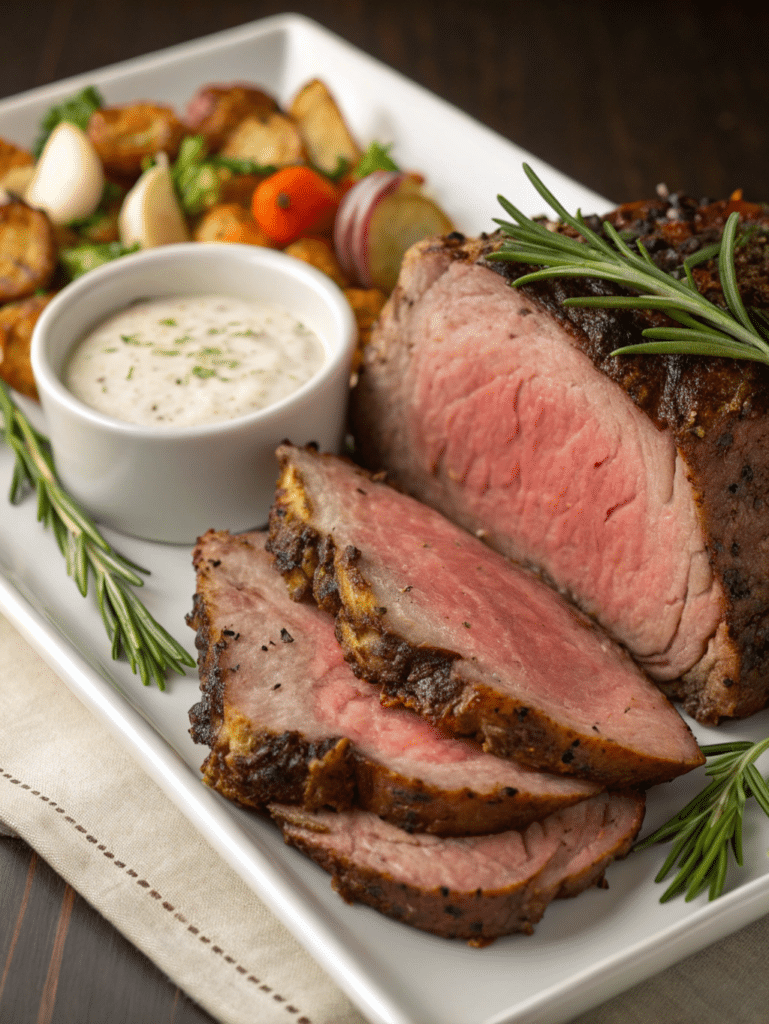
Prime rib recipes for oven are the ultimate go-to for special dinners, offering juicy meat, rich flavor, and an unforgettable presentation. Whether you’re roasting for the holidays or hosting Sunday supper, mastering this cut is easier than it looks. From choosing the right roast to applying the perfect seasoning and timing, this guide breaks it all down, step-by-step. You’ll learn pro tips like the 500 Rule, the best temperatures to use, and how to make every slice tender and full of flavor. Ready to roast like a pro? Let’s dive into the oven method that guarantees perfect prime rib every time.
In this Article
Key Takeaways: Prime Rib Recipes for Oven
- Prime rib recipes for oven deliver rich flavor and juicy texture with the right prep and timing.
- Always bring your bone-in rib roast to room temperature before cooking for even doneness.
- Use dry brining and high-quality seasoning to enhance flavor and create a crusty exterior.
- Choose between the 500 Rule or low-and-slow oven roasting at 325°F, both work well.
- Use a meat thermometer to track doneness: 120°F for rare, 130°F for medium rare.
- Rest the roast for at least 20 minutes after cooking to retain moisture and tenderness.
- Carve across the grain using a sharp slicing knife for clean, restaurant-style portions.
- Store leftovers properly and repurpose them in tacos, sandwiches, and soups.
- Explore both traditional and healthy side options, like those in our Mediterranean meal plan.
- Mastering how to make prime rib starts with quality meat, attention to temperature, and patience, every step counts.
The Story & Intro to Prime Rib
Why Oven-Roasted Prime Rib Became My Go-To
The first time I made prime rib in the oven, it felt like a gamble. I’d invited a few friends over, and the roast, expensive, intimidating, and massive, was the star of the night. I followed a method that promised simplicity: the 500 Rule. That meant cranking the oven to 500°F, roasting the meat for a short burst, then turning the oven off and letting the residual heat do the work.
The result? A perfectly pink center, rich crust, and stunned guests. That night transformed how I viewed prime rib recipes for oven, from intimidating to surprisingly doable. Over time, I’ve tested different approaches, from dry brining to reverse searing. But one thing stayed constant: oven-roasting delivers unmatched control and flavor.
If you’re just starting out, try this no-fail prime rib recipe to build your confidence with a classic technique.
What Makes Oven Prime Rib So Delicious
There’s a reason prime rib roast is a staple for celebrations. The marbling slowly melts during roasting, infusing the beef with buttery richness. When roasted in the oven, especially using the bone-in cut, the meat cooks evenly and develops a savory, golden crust.
What sets oven-roasting apart is control. Whether you follow the classic roast method or go bold with a crusted herb rub, the oven gives you consistent temperature and moisture retention, critical for a tender, juicy finish.
Pair it with sides that balance the richness. I often serve it with a hearty beef stew for cold nights or lighten the table with options from our Mediterranean diet meal plan.
Choosing the Right Cut for the Oven
Bone-In vs. Boneless: Which Cut Delivers the Best Results?
When it comes to prime rib recipes for oven, the first decision you’ll face is whether to go with a bone-in rib roast or a boneless version. Both can deliver exceptional results, but there are key differences you should know before buying.
Bone-in prime rib (also called a standing rib roast) is considered the gold standard for presentation and flavor. The bones act as a natural roasting rack, allowing heat to circulate evenly while insulating the meat. This results in slower cooking, deeper flavor, and a juicier interior.
Boneless prime rib is easier to carve and takes up less space in the oven. It cooks slightly faster and is often more manageable for first-time roasters. However, without bones, you’ll want to use a rack to elevate the meat and help it cook evenly.
Not sure which is right for you? Our detailed prime rib roast guide compares both options and includes tips on adjusting cook times and seasoning techniques.
Understanding USDA Grades: Prime vs. Choice vs. Select
The term “prime rib” is often used generically, but in reality, Prime is a USDA beef grade, and only the top 2% of beef earns it. Understanding beef grading helps you make the right choice at the butcher.
- Prime grade: Abundant marbling, very tender, ideal for special occasions.
- Choice grade: Moderate marbling, still excellent flavor, and more budget-friendly.
- Select grade: Leaner, less tender, not ideal for traditional prime rib.
If you’re unsure about what’s available, ask your butcher for a well-marbled prime rib meat roast with good fat distribution and a thick fat cap. The fat will render during roasting, keeping the meat moist and flavorful.
Once you have your cut, you’re ready to prepare it with confidence. For a complete step-by-step beginner-friendly method, visit our prime rib recipe, which works for both boneless and bone-in roasts.
Prepping for Success
The Most Important Step Before Roasting Prime Rib
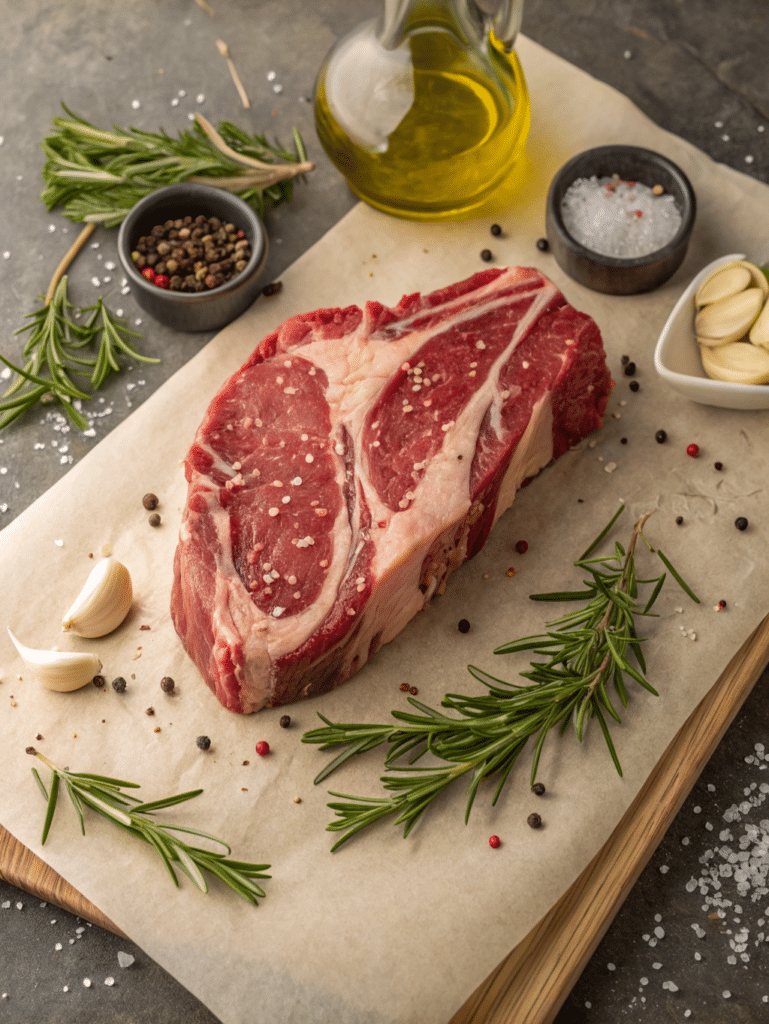
If you’re following prime rib recipes for oven, don’t skip this: letting the roast come to room temperature. This single step ensures even cooking from edge to center. Pull the meat out of the fridge at least 2 hours before roasting. Cold meat straight into a hot oven causes uneven cooking and dry edges.
Another crucial tip? Dry brining. Rub your bone-in rib roast with kosher salt 24 hours ahead and refrigerate it uncovered. This draws out moisture, then reabsorbs it for deeper seasoning and a juicier result.
Whether you’re using a boneless cut or a classic standing rib roast, seasoning well in advance makes every bite more flavorful. The success of most prime rib recipes for oven depends on this preparation step.
If you’re new to this method, check out our tried-and-true prime rib roast recipe which outlines the best pre-roast practices.
Flavor Strategy: Garlic-Herb Crust vs. Simple Salt & Pepper
There’s no shortage of opinions on how to season a roast. Some cooks swear by elaborate rubs; others say the perfect prime rib recipe needs nothing but salt and pepper. So what works best in the oven?
For a restaurant-style finish, try a garlic herb butter made with rosemary, thyme, minced garlic, and softened butter. Spread it generously over your roast before it hits the oven. This creates a fragrant crust that enhances flavor without overpowering the beef.
Prefer minimal fuss? Classic prime rib recipes for oven often stick to kosher salt and cracked pepper alone, especially when using a well-marbled prime rib meat roast. The oven’s dry heat crisps the fat cap beautifully, letting the beef flavor shine.
Still deciding? This prime rib recipe offers both seasoning options with full oven instructions, making it easy to choose what fits your cooking style.
Oven Cooking Methods Explained
The 500 Rule vs. Traditional Oven Roasting
When comparing prime rib recipes for oven, two methods dominate: the 500 Rule and the classic low-and-slow approach at 325°F or 350°F. Each works, if you understand the goal.
The 500 Rule is a fan favorite. It’s simple: roast your bone-in rib roast at 500°F for 5 minutes per pound, then turn off the oven and let the roast sit, without opening the door, for 2 hours. The retained heat continues to cook the meat gently, resulting in a pink, juicy center with a crisp crust. This is ideal if you’re aiming for a no-fuss, perfect prime rib recipe with minimal monitoring.
Traditional roasting, at 325°F or 350°F, is more hands-on but allows for more control. It’s the go-to method for chefs who prefer a thermometer-guided roast. Lower heat produces even doneness, especially for larger cuts, and you can easily use a reverse sear at the end to crisp the outside.
Still unsure which to use? Our detailed prime rib roast recipe explains both approaches for perfect oven results every time.
Oven Time Guide: How Long to Cook Prime Rib
Getting the timing right is crucial in all prime rib recipes for oven. Here’s a helpful breakdown based on roast weight using the traditional method:
| Weight (lbs) | 325°F Cook Time | 500 Rule Time |
|---|---|---|
| 4 lbs | 1 hr 15 min – 1 hr 30 min | 20 min + 2 hr rest |
| 6 lbs | 1 hr 45 min – 2 hr 10 min | 30 min + 2 hr rest |
| 8 lbs | 2 hr 15 min – 2 hr 40 min | 40 min + 2 hr rest |
| 10 lbs | 2 hr 45 min – 3 hr 15 min | 50 min + 2 hr rest |
Regardless of your method, always use a meat thermometer to ensure the roast hits your desired doneness. For medium rare, remove the roast when the internal temp reaches 120–125°F, then rest before slicing.
For more tips on how to make prime rib juicy and foolproof, check our detailed prime rib recipe guide.
Temperature & Doneness
Internal Temperatures for Oven-Roasted Prime Rib
No matter which method you follow, prime rib recipes for oven all revolve around one critical factor: internal temperature. This is the key to achieving the perfect doneness, whether you’re going for rare, medium rare, or medium. Undercooked, and your roast is chewy. Overcooked, and you’ve just wasted a premium cut of beef.
Use a reliable digital meat thermometer and insert it into the thickest part of your bone-in rib roast, avoiding contact with the bone. Here’s a breakdown of internal temperatures to guide you:
| Doneness | Pull from Oven | Final Temp After Rest |
|---|---|---|
| Rare | 115–120°F | 120–125°F |
| Medium Rare (Ideal) | 120–125°F | 130–135°F |
| Medium | 130–135°F | 135–140°F |
For most prime rib recipes for oven, medium rare is considered the gold standard. It balances tenderness with rich, beefy flavor. If you’re aiming for the most consistent results, always monitor temperature during the final stage of cooking.
Need more help dialing in your temps? Our prime rib roast recipe includes a full cooking chart and thermometer tips to help you get it just right.
Resting Time: The Secret to Juicy Prime Rib
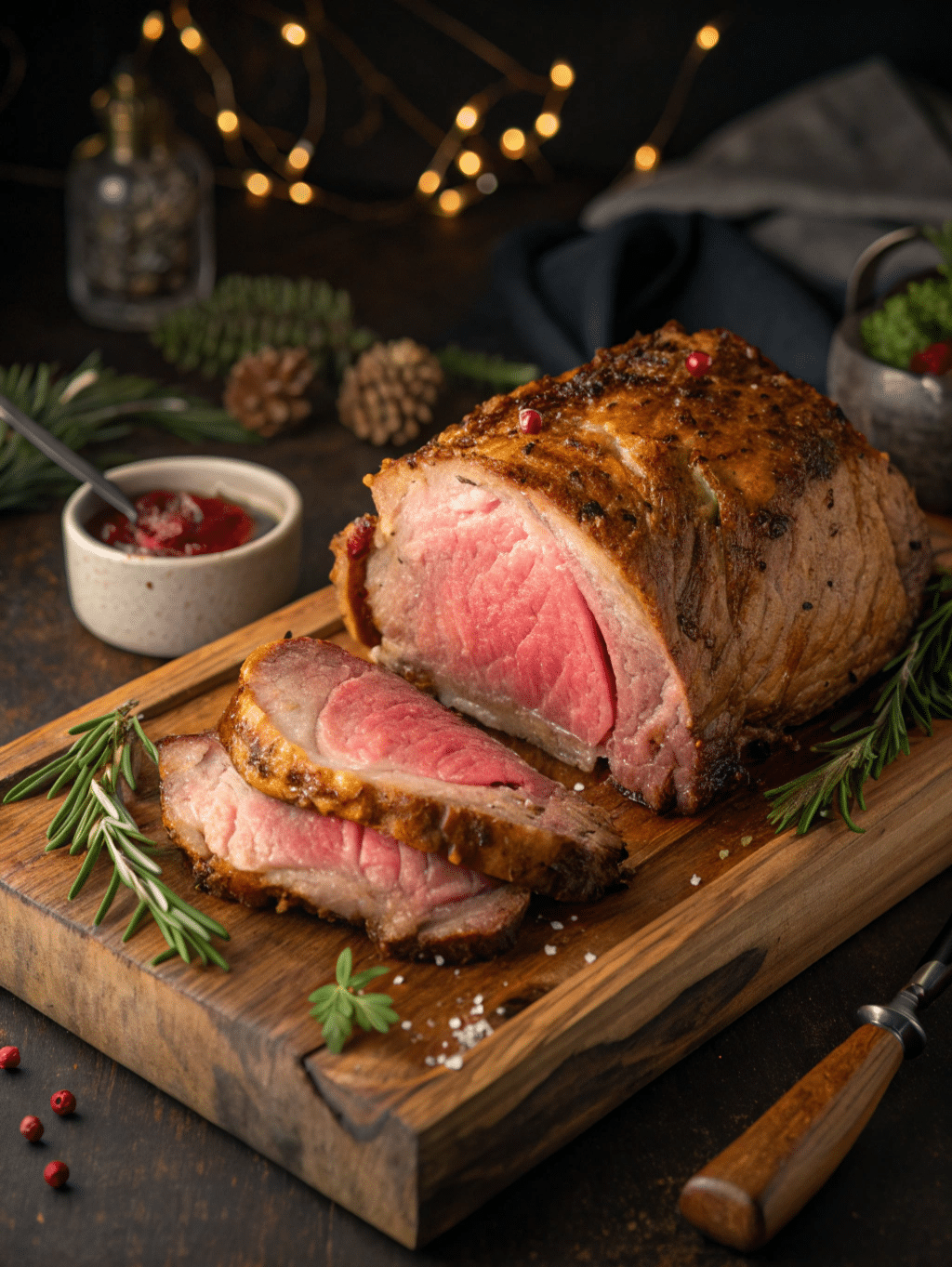
Here’s a step that’s often skipped, but absolutely essential in all prime rib recipes for oven: the rest. After cooking, your roast needs at least 20 to 30 minutes of rest time before carving. This lets the juices redistribute through the meat, preventing dryness and delivering a more tender bite.
During this time, the roast will continue to cook internally, often rising another 5–10°F. That’s why it’s critical to pull your prime rib roast early and let the carryover heat finish the job.
To rest it properly, tent your bone-in rib roast loosely with foil. Don’t wrap it tightly or the crust will soften. Keep the roast on a cutting board with a groove to catch the juices, you can even use them for a quick au jus.
When you’re learning how to make prime rib the right way, resting might feel like a delay. But trust me, this is where the magic happens. If you’re following a perfect prime rib recipe and want restaurant-level results, this step matters as much as cooking itself.
Looking for more techniques like this? Dive into our prime rib recipe guide to get tips tailored specifically for oven methods.
Prime Rib Recipes for Oven
Ingredients
Equipment
Method
- Remove the prime rib roast from the fridge and let it sit at room temperature for 2 hours.
- Dry brine the roast with kosher salt 24 hours ahead, uncovered in the fridge.
- Preheat oven to 500°F.
- Pat the roast dry. Rub with olive oil, black pepper, garlic powder, and optional herbs.
- Place roast in a roasting pan on a rack, bone side down.
- For the 500 Rule: roast at 500°F for 5 minutes per pound. Then turn off the oven and let the roast sit inside (door closed) for 2 hours.
- Alternatively, roast at 325°F for 15–20 minutes per pound, until internal temp reaches 120–125°F for medium rare.
- Remove from oven and let rest for 30 minutes, tented loosely with foil.
- Carve across the grain into thick slices and serve warm.
Nutrition
Notes
Tried this recipe?
Let us know how it was!Carving and Serving Your Prime Rib
How to Slice Prime Rib Like a Pro
After all the work you’ve put into following the best prime rib recipes for oven, the last thing you want is to butcher the final presentation. Carving your roast properly is essential, not only for presentation but also for texture and portioning.
Start by placing your bone-in rib roast on a large cutting board. If it’s bone-in, slice along the curve of the bones to remove them in one clean piece. Then, turn the roast and slice against the grain, about ½ inch thick per portion. This ensures tenderness in every bite.
Use a long, sharp slicing knife and steady pressure. No sawing. For even cleaner slices, allow the roast to cool for 5–10 minutes longer after resting. If you’re serving a crowd, follow our perfect prime rib recipe which includes helpful prep and carving tips tailored for oven-roasted cuts.
And remember: a well-carved roast makes even simpler prime rib recipes for oven look professionally executed.
Serving Suggestions: Classic and Balanced Pairings
Once you’ve mastered how to make prime rib, you’ll want to serve it alongside sides that elevate the dish without overpowering it. Traditional pairings include roasted garlic mashed potatoes, horseradish cream, and buttery green beans.
But to create a more balanced and nutritious table, I love adding Mediterranean-inspired sides. A crisp Greek salad, roasted root vegetables, or lemon-herb quinoa offer contrast and brightness to the rich roast.
Planning a full dinner around prime rib recipes for oven? Our Mediterranean diet meal plan includes plenty of healthy options that pair beautifully with beef.
If you’re leaning more classic, this beef stew recipe works as a cozy first course or next-day meal when made with leftover prime rib.
No matter your side choice, a perfectly roasted prime rib should always be the star. So take your time, serve it warm, and enjoy the moment, because prime rib recipes for oven aren’t just about food. They’re about sharing something unforgettable.
Leftovers, Storage & Bonus Tips
How to Store and Reheat Oven-Cooked Prime Rib
Once you’ve nailed prime rib recipes for oven, you’ll want to make the most of your leftovers. Whether you’re using a bone-in rib roast or boneless, proper storage ensures your hard work doesn’t go to waste.
Let your leftover prime rib roast cool completely before storing. Wrap slices tightly in foil or place them in an airtight container. Refrigerate for up to 4 days, or freeze for up to 2 months. For best results, always store slices with a little of their own juices to maintain moisture.
When reheating, skip the microwave. Instead, warm your slices in a 250°F oven, covered with foil, until just heated through. This retains the texture and flavor found in the best prime rib recipes for oven.
And if you used our prime rib roast recipe or classic prime rib recipe, those leftovers will taste just as amazing on day two.
Leftover Prime Rib Recipe Ideas You’ll Love
You might think prime rib recipes for oven are just for dinner, but the leftovers can easily stretch into multiple meals with little effort.
Here are some delicious ways to reuse leftover prime rib:
- Prime rib breakfast hash with potatoes and eggs
- French dip sandwiches with au jus made from pan drippings
- Beef and barley soup using chopped roast and beef stock
- Taco bowls with Mediterranean flair, try it with ideas from our Mediterranean diet recipes
These quick dishes still highlight the richness of the roast while offering variety. The versatility of prime rib recipes for oven is what makes them ideal for both holidays and weeknight meals alike.
Still wondering how to make prime rib stretch? Start with quality ingredients, nail the temperature, and explore ways to repurpose leftovers creatively. You’ll never look at roast beef the same way again.
FAQ: Prime Rib Recipes for Oven
What’s the most important step before roasting?
Let your bone-in rib roast come to room temperature for even cooking. Dry brine it with salt 24 hours ahead for juicy results. See how in our perfect prime rib recipe.
→ USDA meat safety tips
How long should you cook prime rib in the oven?
In most prime rib recipes for oven, roast at 325°F for 15–20 minutes per pound, or use the 500 Rule: 5 minutes per pound at 500°F, then rest in the oven for 2 hours. Always check temp with a thermometer. Learn both in our oven method guide.
Is 325 or 350 better for prime rib?
325°F is preferred in most prime rib recipes for oven. It cooks slower for even doneness, especially in larger roasts. Higher heat like 350°F risks overcooking the edges.
Check our prime rib meat recipe for full timing tips.
What’s the secret to juicy prime rib?
Start with a well-marbled cut, cook to the right internal temp, and let it rest for 20–30 minutes. These steps are key in any perfect prime rib recipe.
→ Wikipedia on prime rib
Conclusion: Mastering Prime Rib Recipes for Oven
Whether you’re hosting a holiday dinner or treating your family to something special, learning how to make prime rib in the oven is a skill that pays off every single time. From selecting the right cut to using proven cooking methods like the 500 Rule or traditional low roasting, every step matters in creating a flawless bone-in rib roast.
By following reliable prime rib recipes for oven, you’ll unlock tender texture, rich flavor, and a stunning presentation, without needing a culinary degree. Use a meat thermometer, let the roast rest, and don’t forget that your seasoning choices matter just as much as timing.
Want more inspiration? Browse our perfect prime rib recipe, or build your meal around this Mediterranean diet plan for a well-rounded and delicious dinner.
Now that you’ve mastered the oven method, get ready for applause around the table, because your prime rib roast will be unforgettable.