Prime rib recipe success starts with confidence, and the right method. Whether you’re cooking for the holidays or treating your family to a weekend feast, this guide breaks down everything you need: the 500-degree method, ideal temperatures, and expert tips for perfect tenderness. You’ll learn how to prepare, cook, slice, and store prime rib like a pro, every time.
In this Article
Key Takeaways: What You Need to Know About This Prime Rib Recipe
- This prime rib recipe uses the reliable 500° method for even cooking and a juicy center.
- Dry brining overnight and resting after cooking are essential for the best texture and flavor.
- A garlic-herb crust enhances both taste and presentation, perfect for a Christmas prime rib recipe or special occasion.
- Use a meat thermometer to ensure the prime rib roast hits the ideal doneness: 130°F for medium rare.
- Leftovers from this rib recipe are incredibly versatile, think sandwiches, stews, or even tacos.
The Story Behind the Prime Rib Recipe I’ll Never Forget
It all started with a Christmas dinner I was too nervous to host. I had never cooked anything fancy, let alone a full prime rib recipe. I remember pacing in front of the oven, unsure if I’d overcooked it or forgotten something essential. But when I sliced into that perfectly rosy center and served it beside creamy horseradish and roasted vegetables, my family’s faces lit up. That was the moment I knew, this was going to be our Christmas prime rib recipe every year from now on.
What I love about this prime rib recipe is that it’s foolproof, even if you’re not a trained chef. You don’t need restaurant experience to serve a showstopping roast. With the right timing, seasoning, and temperature tricks, anyone can master the prime rib.
Over the years, I’ve refined the method, especially using the “500 rule” technique (which you’ll learn in Part 4). It delivers edge-to-edge pinkness and a crispy, flavorful crust that makes it the best rib recipe in my rotation. I’ve used this approach for everything from holiday dinners to Sunday suppers, and it never disappoints.
This isn’t just a meal, it’s a tradition. A roast like this brings everyone to the table and makes the moment feel special. If you’ve been afraid to try a prime rib recipe, this is your sign. Trust the process, and let this be your go-to method for the best prime rib you’ll ever make.
Whether you’re browsing prime rib roast recipes or just wondering where to start, you’re in the right place.
Prime Rib Basics
Understanding the Prime Rib Cut
A great prime rib recipe starts with knowing your cut. Prime rib, also known as a standing rib roast, comes from the primal rib section of the cow. It includes the “eye” of the rib, a tender, juicy portion surrounded by fat-marbled meat and often bone-in for extra flavor. When people refer to “the prime rib,” this is the luxurious, celebratory cut they mean.
It’s not just for holidays, though it’s often the star of a Christmas prime rib recipe. This flavorful, tender roast holds its own in any season. Unlike a recipe for spare ribs, which typically requires low-and-slow braising or smoking, the prime rib recipe relies on internal temperature control and resting for tenderness.
Whether you’re cooking bone-in or boneless, the method remains the same. And with proper slicing and storage, the leftovers are just as crave-worthy as the first slice.
Rib Roast vs. Spare Ribs: Know the Difference
It’s common to confuse a prime rib roast with spare ribs, but they’re entirely different. Spare ribs come from the lower ribcage and are typically grilled or smoked. They’re delicious, but they don’t offer the buttery texture and thick, juicy cuts that come with a prime rib roast.
If you’re searching for the best rib recipe to impress, choose the prime rib. It delivers unmatched tenderness and flavor, especially when cooked using the 500-degree method we’ll explore shortly.
Want to serve it with a balanced side? Check out our Mediterranean diet guide for lighter, heart-healthy accompaniments that pair beautifully with the richness of beef.
Seasoning & Prepping Your Prime Rib
The Secret to a Good Prime Rib Recipe
A great prime rib recipe doesn’t start in the oven, it starts in the fridge. Prepping your roast the right way is the foundation for getting the best prime rib at the table.
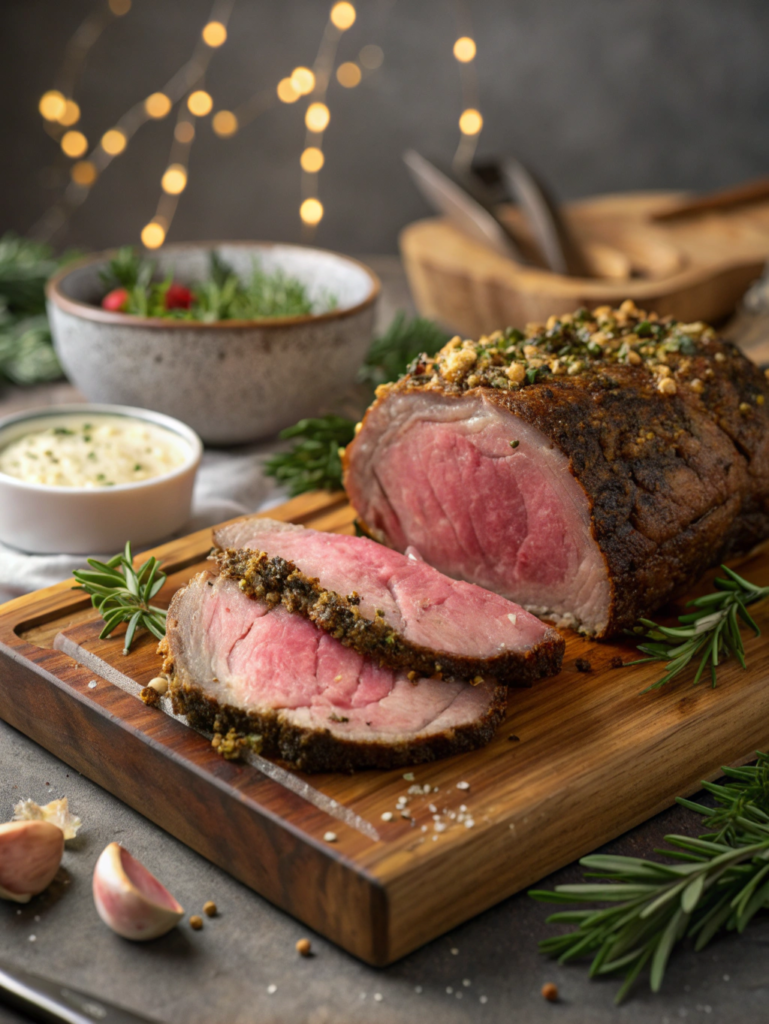
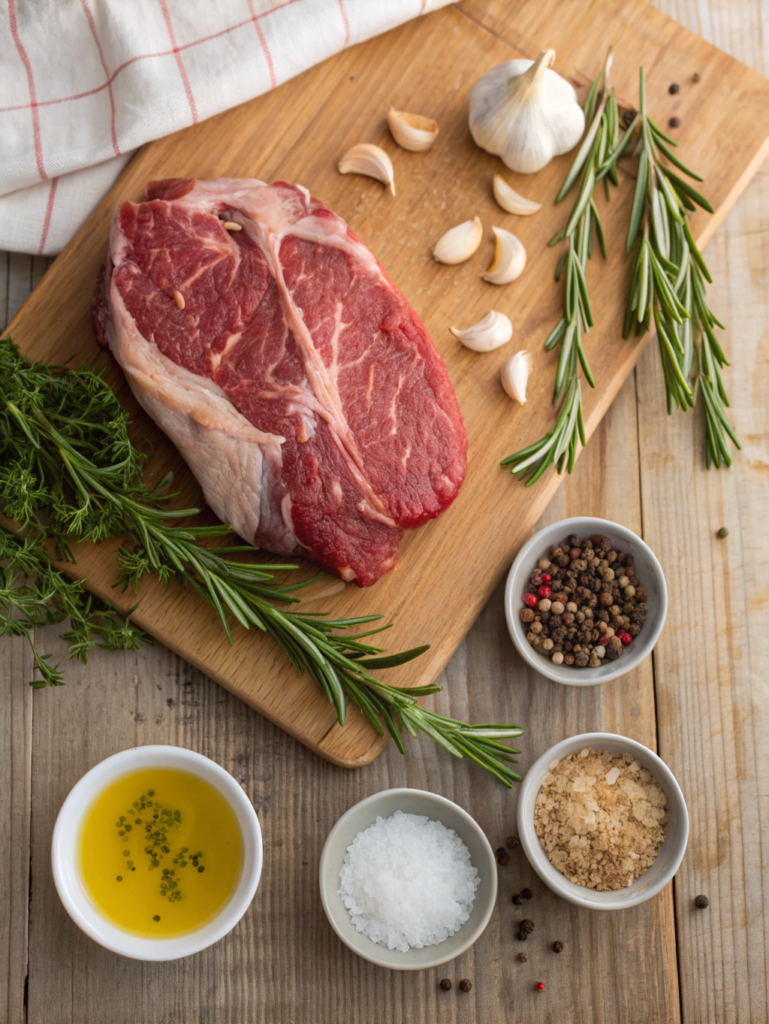
Start by dry brining the roast. Rub it generously with kosher salt and let it sit uncovered in the fridge overnight. This draws out moisture and allows the salt to penetrate the meat, enhancing flavor from the inside out. Before cooking, take your roast out and let it rest at room temperature for 2 hours. This simple step promotes even cooking, a must for the perfect prime rib roast.
Next comes the rub. For the best rib recipe, mix garlic, fresh rosemary, thyme, black pepper, and olive oil or softened butter. Some cooks add Dijon mustard or paprika for a flavor kick. Rub the mixture all over the roast, pressing it into the meat to form a crust that crisps beautifully in the oven.
Tools & Ingredients for the Best Rib Recipe
You don’t need fancy tools to nail a prime rib recipe, but a few essentials make a big difference:
- Meat thermometer (instant-read or probe)
- Roasting pan with a rack
- Sharp carving knife
- Aluminum foil for tenting
As for ingredients, the star is the roast, but the supporting cast matters. Stick to fresh herbs, coarse salt, and high-quality oil or butter. You can find many of these ingredients on our Mediterranean diet food list if you want to balance flavor with health-forward choices.
Nailing the prep is half the journey. The next step? Cooking it to pink, juicy perfection.
Cooking Methods That Never Fail
The 500 Rule for Prime Rib Roast
When it comes to the best rib recipe, no method has gained more trust than the 500 Rule. It’s straightforward, reliable, and delivers that dreamy pink center every time. Here’s how it works:
You roast the prime rib at 500°F for exactly 5 minutes per pound, then turn the oven off and let the roast sit inside, untouched, for 2 hours. No peeking. No opening the door. The residual heat continues to cook the meat gently, producing a roast that’s perfectly medium-rare from edge to center.
For example, a 6-pound roast cooks at 500°F for 30 minutes. After that, you shut off the oven, walk away, and let it coast to temperature. It’s one of the most effective, stress-free ways to cook a holiday-worthy prime rib recipe, and perfect for first-timers too.
Want to check doneness? Use a meat thermometer toward the end of the resting period. According to USDA beef safety guidelines, medium-rare is best at 130–135°F after resting.
Alternative Methods: Reverse Sear & Slow Roast
While the 500 Rule is a favorite, there are other proven methods for cooking the prime rib to perfection.
Reverse searing involves slow-roasting the prime rib roast at 225°F until it’s just shy of your desired temperature, then searing it in a 500°F oven or hot skillet for a few minutes. This delivers more precise temperature control and a crusty edge.
Slow roasting skips the sear entirely, focusing on ultra-low cooking (200–225°F) until done. It takes longer but offers incredible tenderness.
No matter your method, be sure to follow the temperature chart and rest your meat before slicing. Just like our frozen meatballs in the crock pot, the key to rich flavor is patience and precision.
Mastering Doneness & Internal Temperatures
Prime Rib Roast Temperature Chart & Doneness Tips
No prime rib recipe is complete without knowing exactly when to pull your roast from the oven. Whether you’re using the 500 Rule or reverse sear, a meat thermometer is your best friend when cooking a prime rib roast.
Use this quick reference guide to get your desired doneness:
| Doneness | Remove At | Final Temp (After Rest) |
|---|---|---|
| Rare | 115°F | 120–125°F |
| Medium Rare | 120°F | 130°F |
| Medium | 130°F | 135–140°F |
This prime rib roast temperature chart is your roadmap to getting the best rib recipe results, every time. Always insert the thermometer into the thickest part of the roast, away from the bone.
Carryover Cooking & Thermometer Must-Knows
The secret to juicy prime rib lies in understanding carryover cooking. When you pull the roast from the oven, the temperature continues to rise by about 5–10°F as it rests. That’s why it’s critical to remove it early, especially when cooking a holiday-worthy Christmas prime rib recipe.
Invest in a quality probe thermometer or an instant-read digital model. Trusting guesswork can ruin an otherwise flawless prime rib recipe.
Curious about the history of the prime rib? According to Wikipedia, the standing rib roast dates back centuries and remains one of the most beloved beef cuts for festive meals.
And if you’re using any leftovers in a hearty dish, we recommend this comforting beef stew recipe, it’s the perfect way to stretch your roast and avoid waste.
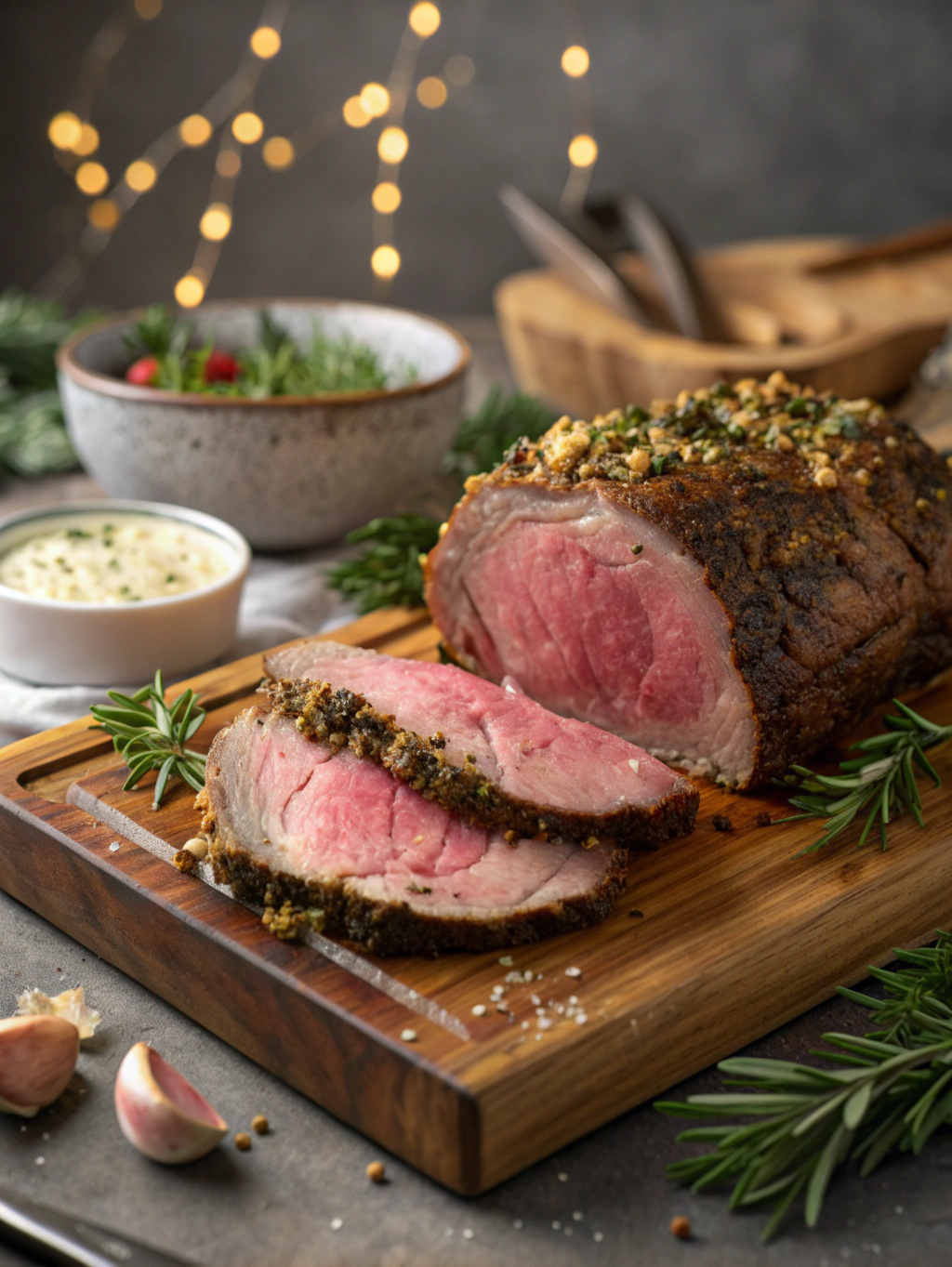
Prime Rib Recipe: Juicy, Tender Roast with 500° Method
Ingredients
Equipment
Method
- Pat roast dry and rub with salt. Refrigerate uncovered overnight (dry brine).
- Bring roast to room temp (2 hours), then rub with garlic, rosemary, pepper, and oil or butter.
- Preheat oven to 500°F.
- Roast at 500°F for 30 minutes (5 minutes per pound).
- Turn oven off. Let roast sit in closed oven for 2 hours. Do not open.
- Check internal temp (target 130°F for medium rare). Rest 20–30 minutes.
- Slice against the grain and serve with au jus or horseradish.
Nutrition
Notes
Tried this recipe?
Let us know how it was!Serving Prime Rib Like a Chef
Rest Before You Slice – Here’s Why It Matters
You’ve followed every step of this prime rib recipe to perfection, now don’t ruin it by slicing too soon. Letting the prime rib roast rest is just as crucial as cooking it. Resting for 20 to 30 minutes allows the juices to redistribute, which means each slice stays juicy and flavorful.
Tent the roast lightly with foil while it rests. This prevents heat loss while avoiding steam buildup that could soften the crust. Skipping this step could turn even the best rib recipe into a dry disappointment.
Whether you’re preparing a Christmas prime rib recipe or a simple Sunday dinner, this final pause ensures the roast carves like butter and retains all its richness. And yes, you worked hard for that crust, let’s keep it intact.
What to Serve with Prime Rib for a Complete Meal
The beauty of this prime rib recipe is how well it pairs with a variety of sides. You can go classic with roasted potatoes and creamed spinach or lighten things up with Mediterranean flavors. For balance, explore our full Mediterranean diet recipes to build a vibrant, nourishing spread around the prime rib.
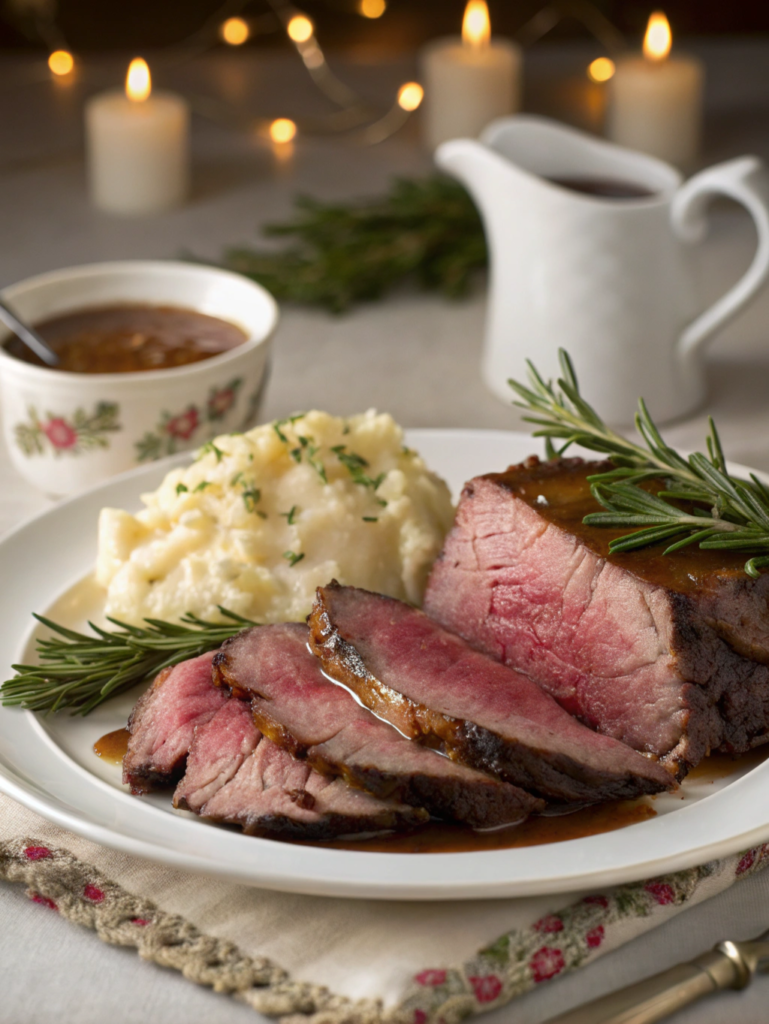
Want to make it a full holiday menu? Add herb-roasted carrots, a bright arugula salad with lemon vinaigrette, and crusty bread for soaking up juices. Don’t forget horseradish sauce or au jus, traditional companions that elevate the flavor of any prime rib roast.
Presentation counts too. Use a sharp carving knife, slice against the grain, and serve the thickest pieces from the center. Whether plated individually or on a large cutting board centerpiece, this prime rib recipe never fails to impress.
Leftovers for the Perfect Prime Rib Recipe
What to Do With Leftover Prime Rib
One of the best things about cooking a large prime rib roast is enjoying the leftovers. A truly great prime rib recipe doesn’t stop at the carving board. With the right storage and a bit of creativity, those tender slices can be repurposed into meals just as mouthwatering as the original.
The prime rib stays flavorful and juicy for up to four days in the fridge. Be sure to store it in an airtight container or wrap tightly in foil to prevent it from drying out. For longer storage, freeze individual slices with a bit of leftover au jus in freezer-safe bags, this keeps the texture moist when reheated.
Looking for ways to use leftover prime rib roast without wasting a bite?
- Breakfast hash with diced rib, potatoes, onions, and eggs
- Steak sandwiches with melted provolone and horseradish mayo
- Prime rib tacos with chimichurri or slaw
- Asian-style stir fry with soy sauce and fresh veggies
- Soup or stew with a rich beef broth base
If you’re planning meals ahead, pair your leftovers with our Mediterranean diet meal plan to build a balanced week that includes this decadent dish without overindulging.
This is yet another reason why this is the best rib recipe you’ll ever learn, it keeps on giving long after the big dinner is over.
Prime Rib Recipe FAQs (Expanded Answers)
What is the best cooking method for prime rib?
The best cooking method for any prime rib recipe depends on your goals, but for guaranteed results, most home cooks swear by the 500 Rule. This method locks in flavor by roasting at high heat (500°F) for 5 minutes per pound, then turning off the oven and allowing the prime rib roast to rest inside for two hours. The result is a beautifully pink, tender interior and a crisp, flavorful crust, perfect for any occasion. Other popular methods include reverse sear and slow roasting, both of which deliver excellent results if timed properly.
What is the 500 rule for prime rib roast?
The 500 Rule is a trusted technique that simplifies how to cook the prime rib without stress. Here’s how it works: roast the meat at 500°F for 5 minutes per pound, then turn off the oven (without opening the door!) and let it sit undisturbed for 2 hours. No basting, no flipping, no checking, just patience. This method delivers an even cook from edge to edge, especially when you’re making a Christmas prime rib recipe or serving guests. It’s ideal for beginners and pros alike and works best for roasts between 4–8 lbs.
How many hours do you cook a prime rib roast?
Cooking time for a prime rib roast depends on the weight and method. For example, a 6-pound roast using the 500 Rule will need about 30 minutes at 500°F, followed by 2 hours of resting in the oven. That’s roughly 2.5 hours total. In contrast, slow roasting at 225°F may take 3.5 to 4 hours, depending on your desired doneness. Always use a thermometer, doneness should never be guessed when following a high-stakes prime rib recipe.
What is the secret to a good prime rib?
The true secret to a successful prime rib recipe lies in three key steps:
Dry brining overnight with kosher salt to build flavor and break down proteins.
Proper resting before and after cooking, allowing the meat to cook evenly and retain juices.
Searing or using a high-heat method like the 500 Rule to build a crust while keeping the inside tender.
Adding a garlic-herb crust and using fresh ingredients can take your prime rib roast from great to unforgettable.
What temperature should prime rib be cooked to?
Here’s a simplified breakdown:
Rare: Pull at 115°F, final temp 120–125°F
Medium Rare: Pull at 120°F, final temp 130°F
Medium: Pull at 130°F, final temp 135–140°F
Always let the prime rib roast rest 20–30 minutes to allow the juices to redistribute. If you’re making a Christmas prime rib recipe, aim for medium rare, the classic crowd-pleaser. Use a quality meat thermometer for accuracy, this is essential to getting your rib recipe just right.
Why do you sear the meat before roasting it?
Searing enhances flavor through the Maillard reaction, which browns the exterior and creates that iconic crust. Whether you’re reverse searing or starting at 500°F, this step is what separates a good prime rib recipe from a great one. It also helps lock in juices so that every bite of the prime rib is tender, juicy, and well-seasoned on the outside.
How long will leftover prime rib stay fresh?
If stored properly, leftover prime rib will last up to 4 days in the refrigerator. Use airtight containers or wrap slices in foil to retain moisture. For long-term storage, freeze slices in freezer-safe bags with a bit of au jus or broth to maintain flavor. To reheat without drying it out, warm in the oven at 250°F wrapped in foil or use sous vide. Even leftover, this prime rib recipe still delivers rich, restaurant-quality flavor when treated with care.
Conclusion: The Prime Rib Recipe That Delivers Every Time
This is more than just a prime rib recipe, it’s a method that builds confidence in the kitchen, whether you’re cooking your first roast or perfecting your Christmas prime rib recipe for the tenth time. With the right cut, simple prep, and the proven 500 Rule, you can achieve that deep pink center, a crisp crust, and a flavor that satisfies every time.
Remember: great results start before the oven. Dry brine your roast overnight, season it well, and trust your thermometer. Whether you’re using this prime rib roast recipe for a holiday feast or a weekend celebration, following these temperature and timing guidelines guarantees success.
Leftovers? Absolutely. With this prime rib recipe, you’re not just making one unforgettable meal, you’re setting yourself up for multiple delicious dishes. From sandwiches to stews, the prime rib keeps on giving. Don’t forget to plan ahead with options like our Mediterranean Diet Meal Plan for lighter meals after your feast.
From my kitchen to yours, I hope this becomes your go-to rib recipe for years to come. Whether you’re serving family, friends, or just treating yourself, you’ve now got everything you need to master the best rib recipe with confidence.