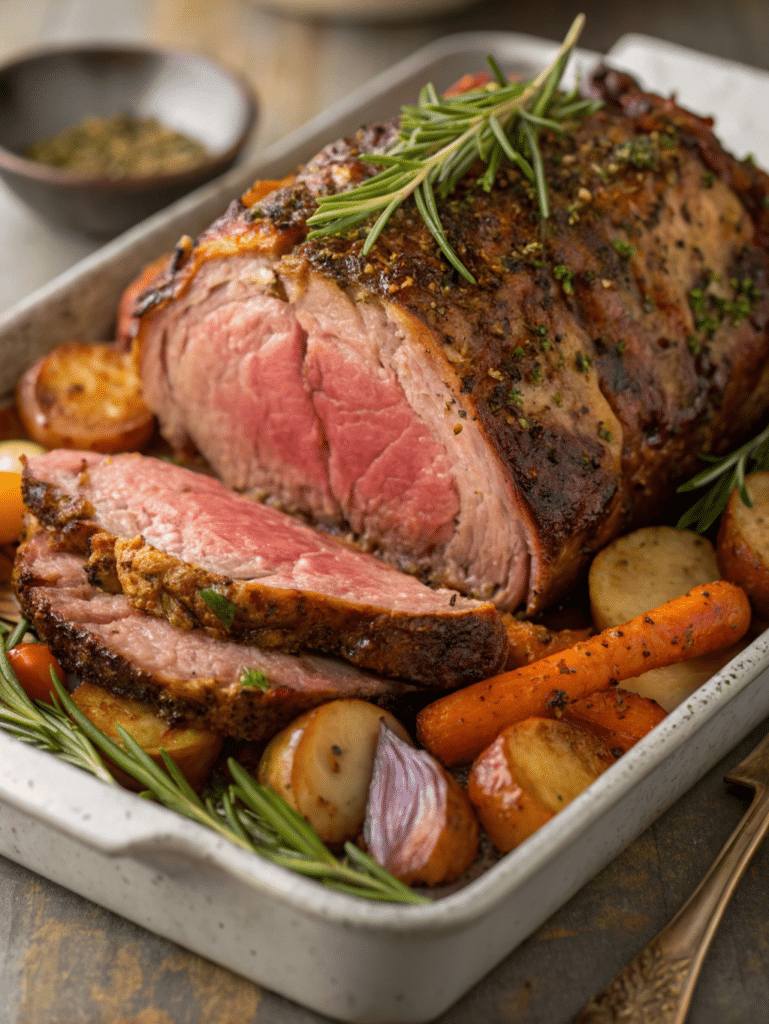
Learning how to cook prime rib feels intimidating, but it shouldn’t be. This stunning cut of beef might be reserved for holidays at steakhouses, but you can absolutely master it at home. Whether you’re roasting a boneless prime rib or going all in with a bone-in roast, the secret is in the prep and the patience. In this article, I’ll show you how to cook prime rib in the oven using simple steps that deliver restaurant-level results. We’ll also explore slow-cooking options, cooking time per pound, and flavor tips you don’t want to miss.
In this Article
Key Takeaways: What You Need to Know
- Prime rib is best cooked low and slow for juicy tenderness.
- Always let it come to room temperature before roasting.
- Use a meat thermometer, don’t guess!
- Bone-in or boneless, seasoning and rest time matter most.
- Reverse sear and oven-roasting are the top methods.
The Story + Choosing Your Prime Rib Cut
From My Kitchen to Yours: How I Learned How to Cook Prime Rib the Right Way
Hi, I’m Olivia – welcome to WeTasteRecipes! The very first time I set out to learn how to cook prime rib, I was both excited and completely overwhelmed. It was the holidays, my in-laws were flying in, and I was determined to serve a show-stopping roast that would impress. I researched endlessly, trying to find the best method for how to cook prime rib in the oven without overcomplicating it.
Eventually, I bought a beautifully marbled bone-in roast from a local butcher in Austin and gave it a shot. What came out of the oven was unforgettable, a juicy, tender roast with crisp edges and that signature rosy center. That single experience sparked my passion for perfecting how to cook prime rib at home, and I’ve never looked back.
Since then, I’ve roasted it for birthdays, holidays, and quiet Sundays, always tweaking, seasoning, and experimenting. Learning how to cook boneless prime rib came next, and it opened up a whole new world of flavor and ease. What I’ve learned is this: how to cook prime rib isn’t hard when you understand the basics, and it’s way more satisfying than anything you’ll get at a steakhouse.
If you’re ready to make your first roast, start with our step-by-step prime rib recipe that shows exactly how to cook prime rib the easy way.
Bone-In vs Boneless: Choosing the Right Cut of Prime Rib
One of the first things to consider when learning how to cook prime rib is the cut: bone-in or boneless? A bone-in prime rib roast gives you maximum flavor and moisture, the bones act as natural insulators, helping the roast cook more evenly. If you’re after bold, beefy flavor and that impressive holiday centerpiece, bone-in is a classic choice.
On the other hand, if you want simplicity and easy slicing, you’ll love how to cook boneless prime rib. It cooks slightly faster and is ideal for smaller gatherings. Whichever cut you choose, make sure it has generous marbling, those thin white lines of fat melt during cooking and create that tender, buttery texture prime rib is known for.
Want a deeper dive into roast types and prep? Our prime rib roast guide walks you through the options, so you can feel confident in choosing the right cut and mastering how to cook prime rib every time.
How to Cook Prime Rib in the Oven
The Perfect Oven Method: Low, Slow, and Reliable
If you want to learn how to cook prime rib in the oven, there’s one method that never fails, the low-and-slow roast. This technique keeps the meat tender and juicy while forming a golden-brown crust you’ll crave. First, remove the roast from the fridge and let it sit at room temperature for at least 2 hours. This ensures even cooking.
Preheat your oven to 200°F. Season the roast generously with kosher salt, black pepper, garlic powder, and fresh herbs like rosemary or thyme. Place the meat on a roasting rack inside a pan, fat-side up. Insert a meat thermometer into the thickest part of the roast.
Roast until the internal temperature reaches 118°F for rare, 125°F for medium-rare, or 135°F for medium. Then remove it from the oven and tent loosely with foil. Let it rest for 30 minutes, the carryover cooking will raise the temp by 5–10 degrees.
For a crust that rivals steakhouse perfection, crank the oven to 500°F, then return the roast for 10–15 minutes to crisp the exterior before slicing.
This foolproof prime rib roast recipe uses that very method and walks you through the final sear for that crispy crust everyone loves.
Tips for Better Results Than a Steakhouse
Timing, temperature, and patience, these are the secrets to cooking a prime rib roast that’s better than anything you’ve ordered out. Use a meat thermometer every time. Skipping that step is the most common mistake people make.
And don’t forget to save the drippings, they make a rich base for au jus or gravy. Pair your roast with something comforting yet simple, like this flavorful beef stew or Mediterranean roasted vegetables for a balanced holiday meal.
For even more roast ideas, browse prime rib recipes for oven, it’s packed with flavorful inspiration.
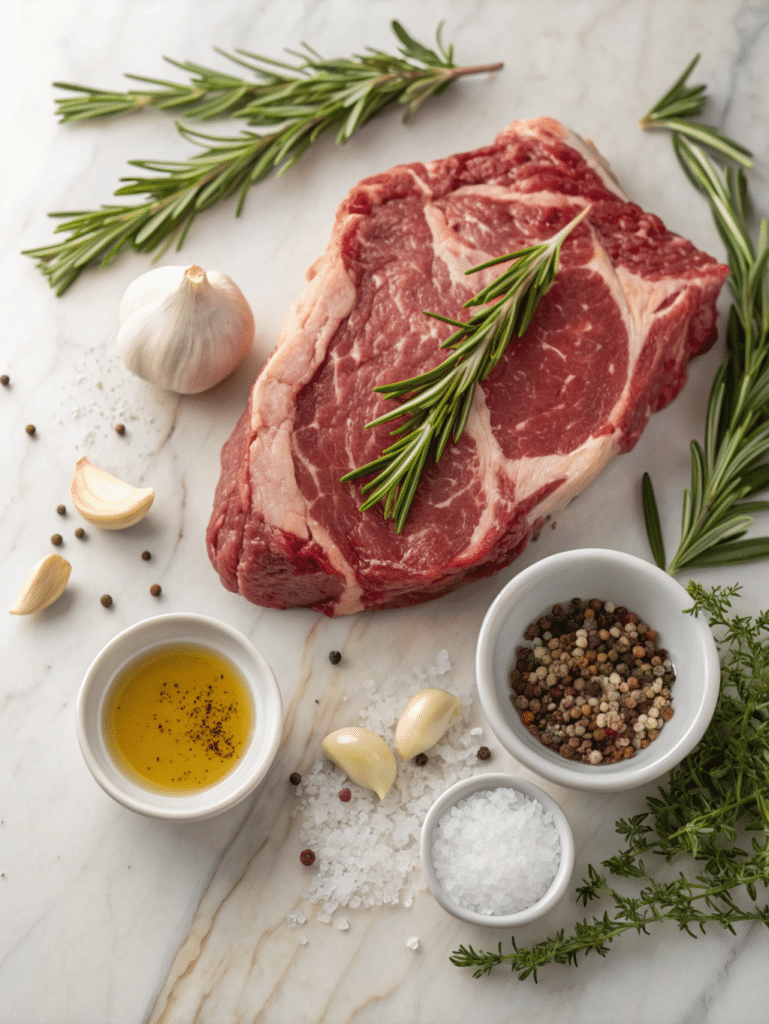
Slow Cook Prime Rib & Time Per Pound Chart
How to Slow Cook Prime Rib for Ultra-Tender Results
If you’ve got the time, slow cooking prime rib is hands-down the most forgiving method, and it delivers a roast that practically melts in your mouth. You can use a slow cooker, but for best flavor and texture, a low oven temp is preferred.
Start with the same prep: bring your roast to room temperature, season it well, and place it on a rack in a roasting pan. Cover tightly with foil and set your oven to 200°F. Cook until it reaches the desired internal temp (see chart below), then rest for 30–45 minutes.
Want to use a crock pot instead? You’ll need to sear the roast first in a hot skillet to develop flavor. Then place it in the slow cooker with garlic, onions, herbs, and a splash of beef broth. Cook on low for 6–8 hours, depending on the size of your roast.
For more slow-cooker-friendly ideas, check out this hearty frozen meatballs in crock pot recipe. The same techniques of moisture and time apply to larger roasts.
Prime Rib Cooking Time Per Pound Chart
Use this chart as a quick reference based on a 200°F oven. Always cook to temperature, not just time.
| Weight | Rare (120°F) | Medium-Rare (130°F) | Medium (135°F) |
|---|---|---|---|
| 4 lbs | 2 hr 45 min | 3 hr | 3 hr 15 min |
| 6 lbs | 4 hr 15 min | 4 hr 45 min | 5 hr |
| 8 lbs | 5 hr 30 min | 6 hr | 6 hr 15 min |
The best part of cooking low and slow? You don’t need to babysit the oven. Pair your roast with clean, whole-food sides from our Mediterranean diet meal plan for a balanced approach.
And if you’re new to this healthful way of eating, our guide to the Mediterranean diet covers the benefits of pairing lean beef with fresh vegetables, herbs, and heart-healthy fats.
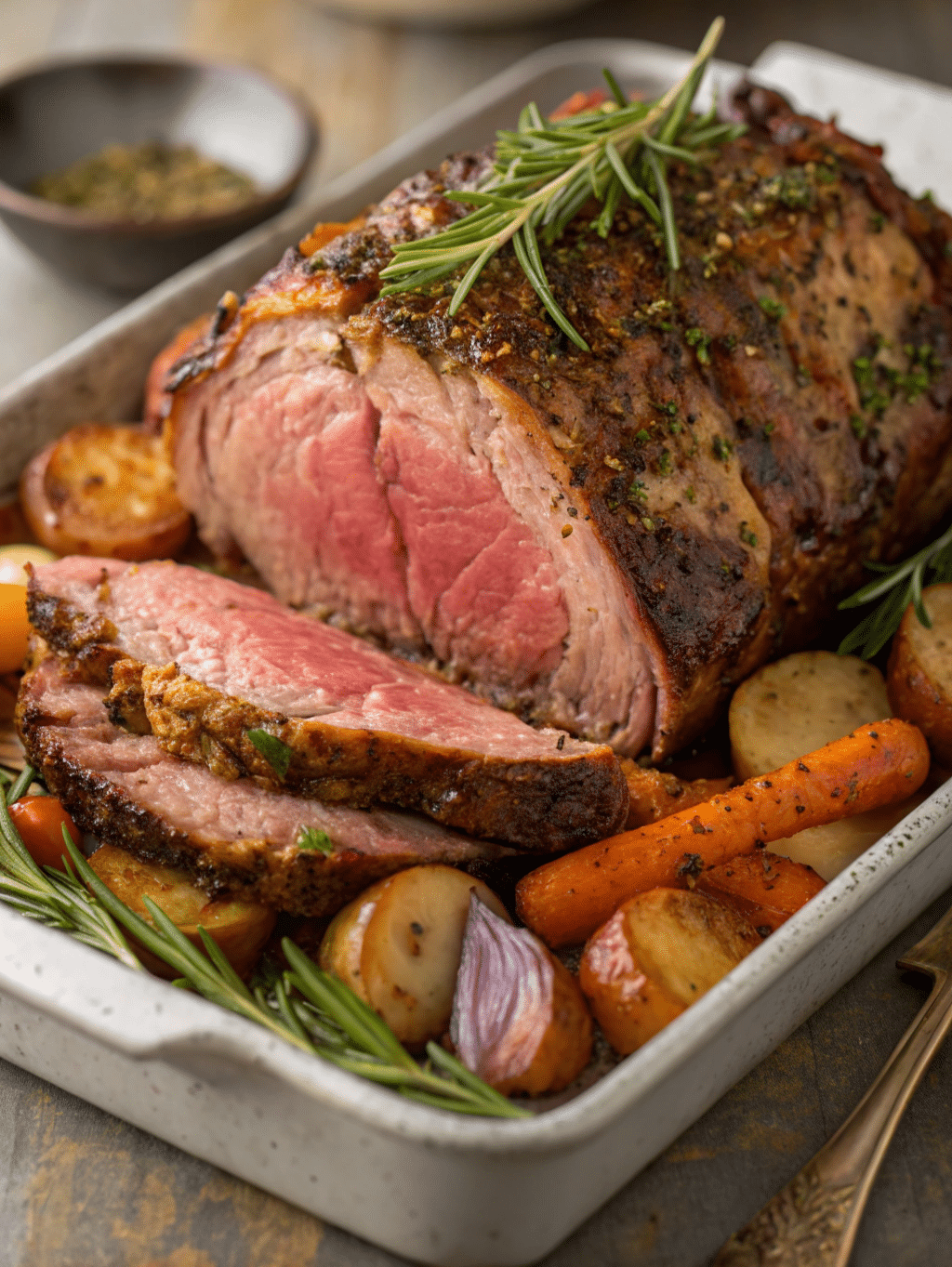
How to Cook Prime Rib
Ingredients
Equipment
Method
- Bring the prime rib to room temperature for 2 hours before roasting.
- Preheat oven to 200–225°F.
- Pat the roast dry, then season generously with salt, pepper, garlic powder, and herbs.
- If using a boneless roast, tie with butcher’s twine every 1.5 inches.
- Place roast fat-side up on a wire rack inside a roasting pan.
- Insert meat thermometer into thickest part of the roast.
- Roast until internal temp reaches 125°F (medium-rare).
- Remove from oven and let rest uncovered for 30–45 minutes.
- Increase oven to 500°F, then roast again for 10 minutes to sear.
- Carve against the grain and serve.
Nutrition
Notes
Tried this recipe?
Let us know how it was!How to Cook Boneless Prime Rib
Cooking Boneless Prime Rib Like a Pro
If you’re learning how to cook prime rib and prefer simplicity, boneless prime rib is a great place to start. It cooks slightly faster than bone-in prime rib and is much easier to carve, especially for beginners. But don’t let the lack of bones fool you, boneless prime rib still requires proper technique to achieve that rich, juicy center and savory crust.
The first step in mastering how to cook boneless prime rib is letting the meat come to room temperature. Remove it from the refrigerator and rest it on the counter for 1–2 hours. This ensures even roasting from edge to center.
Next, pat the roast dry. Season it thoroughly with kosher salt, black pepper, garlic powder, and chopped fresh herbs like rosemary and thyme. For structure and even cooking, tie the roast with butcher’s twine at 1.5-inch intervals. Preheat your oven to 225°F, then place the roast on a wire rack over a baking sheet. Insert a meat thermometer into the center.
Roast slowly until the internal temperature reaches 125°F for medium-rare. Remove it from the oven and allow it to rest uncovered for at least 30 minutes. Want that restaurant-worthy finish? Return the roast to a 500°F oven for 8–10 minutes to create a crisp, caramelized crust.
For full instructions, our trusted prime rib recipe offers step-by-step directions for both bone-in and boneless versions. You can also check out the USDA’s beef roasting guide for food safety and temp guidelines.
Want to know how prime rib differs from ribeye? Wikipedia’s ribeye article breaks down the anatomy and flavor profile for more context on your cut.
Seasoning & Carving Tips to Impress Your Guests
Great seasoning is key when learning how to cook boneless prime rib to perfection. A simple garlic herb butter made with fresh rosemary, thyme, Dijon mustard, and softened butter will melt over the roast as it cooks, creating layers of rich, aromatic flavor.
Apply the butter before tying the roast. As it cooks, the herbs infuse the meat while the butter locks in moisture. This not only enhances taste, it guarantees every bite of your boneless prime rib stays juicy and tender.
When it’s time to serve, carving matters. Always slice against the grain, aiming for ½-inch thick pieces. Identify the direction of the muscle fibers before cooking so you’re ready to carve clean, tender slices without shredding the meat.
Need help planning sides? Our Mediterranean diet food list features clean, flavor-packed vegetables and grains that pair beautifully with prime rib. And our collection of Mediterranean diet recipes is full of dishes that keep your meal balanced without sacrificing satisfaction.
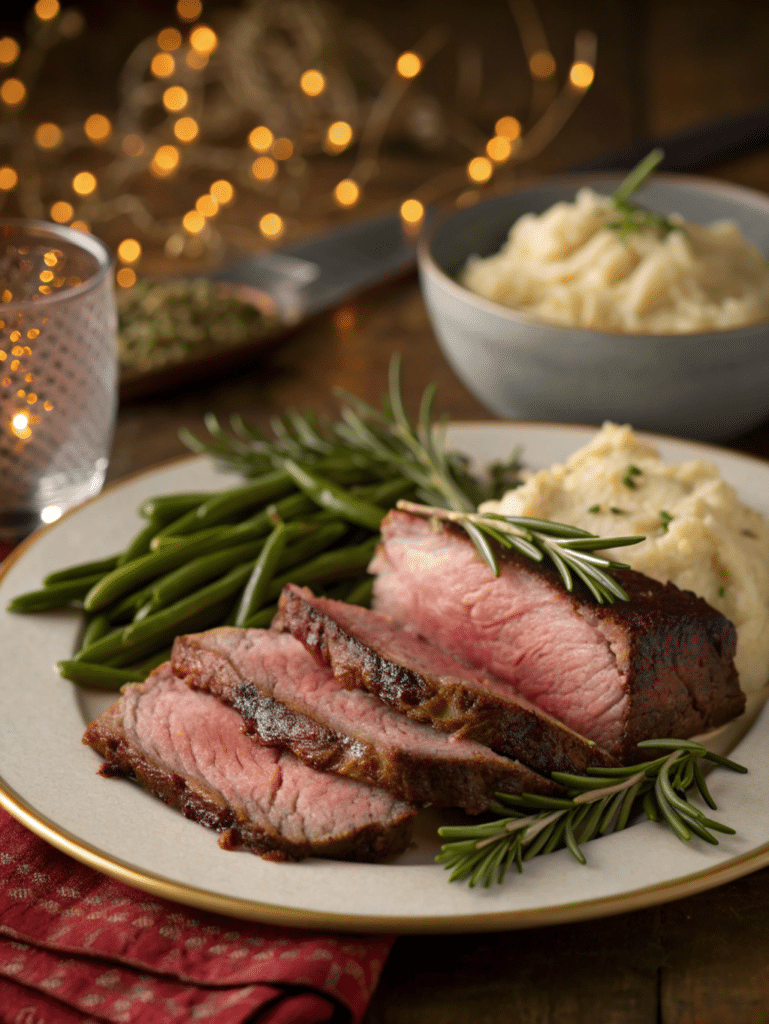
Frequently Asked Questions About How to Cook Prime Rib
Which is the best way to cook prime rib?
The best way to cook prime rib is low and slow in the oven, followed by a high-heat sear. This method ensures even doneness, a tender center, and a crispy crust. Using a thermometer is key to getting it just right. If you’re not sure where to begin, this step-by-step prime rib roast guide walks you through exactly how to cook prime rib without stress.
What is the secret of cooking a prime rib roast?
The secret to a perfect prime rib roast? Letting it rest. Resting before and after cooking helps the meat stay juicy and flavorful. Also, learning how to cook prime rib to exact internal temperatures (like 125°F for medium-rare) ensures consistent results. Patience and precision are everything, no guesswork, no shortcuts.
Is it better to cook prime rib at 325 or 350?
Neither is ideal. In fact, learning how to cook prime rib at a lower temperature (like 200–225°F) yields the most tender results. Higher heat can dry out the roast. A low-temperature roast followed by a 500°F sear gives you that steakhouse-quality finish at home.
What is the most important thing to do before roasting a prime rib roast?
Bring it to room temperature, that’s the single most important step before roasting. This ensures your roast cooks evenly from edge to center. It’s a must for anyone learning how to cook prime rib the right way. And don’t forget: salting the roast 24–48 hours ahead enhances flavor deeply.
Conclusion: Learn How to Cook Prime Rib Like a Pro
By now, you’ve seen that learning how to cook prime rib doesn’t require culinary school, just a solid plan, a little patience, and the right tools. Whether you’re preparing a holiday feast or treating yourself on a weekend, knowing how to cook prime rib opens the door to unforgettable meals. It’s not just about seasoning and roasting, it’s about understanding your cut, managing the temperature, and letting the roast rest to perfection.
If you’re wondering how to cook prime rib in the oven, remember this: go low and slow, and finish with a blast of heat for that irresistible crust. Prefer a boneless version? The same method applies, with slight adjustments in timing and technique. And if you’re tight on time, you can even slow cook prime rib with mouthwatering results, just follow the internal temp guide closely.
Don’t let the size or name intimidate you. Cooking prime rib at home is one of the most satisfying things a home cook can master. The more often you do it, the easier it gets. From bone-in roasts to learning how to cook boneless prime rib, every version brings something special to the table.
If you need a refresher or want step-by-step help, our full prime rib recipe is packed with everything you need to make your next roast the star of the table. Bookmark it. Share it. Cook it again and again.
So now that you’ve learned how to cook prime rib better than most restaurants, it’s your turn. Pick your roast. Preheat the oven. And get ready to impress.